I started going to the gym seriously about two years ago. The trainer gave me the usual advice — eat high protein, cut carbs, drink more water. Simple enough. What nobody told me was how incredibly boring eating high protein would become within three weeks.
Boiled chicken breast. Egg whites. Protein shakes that taste like chalk mixed with artificial vanilla. Paneer cubes eaten cold from a container at my office desk. I was hitting my macros. I was also deeply, profoundly unhappy at every meal.
The turning point came when I stopped trying to eat like a fitness influencer from California and started asking a different question: which Indian foods that I already love are actually high in protein?
The answer changed everything. Indian cuisine — when you look past the bread and rice — is one of the most naturally protein-rich food traditions in the world. Dal, chole, rajma, paneer, moong, eggs cooked desi style, chicken prepared with real masala — these are foods that have sustained hardworking people for centuries. They just needed to be assembled correctly for a gym-going lifestyle.
Here are the 7 meals I actually eat every week. All of them are proper Indian food. All of them have good protein numbers. None of them taste like a punishment.
1. Moong Dal Chilla with Paneer Stuffing — 22g Protein Per Serving
This is my most-made breakfast by a large distance. I discovered it by accident — I had leftover moong dal batter and some crumbled paneer in the fridge, and the combination turned out to be one of the best fitness breakfasts I have ever eaten.
Soak half a cup of split yellow moong dal overnight. In the morning, blend it with a small piece of ginger, one green chilli, and enough water to make a smooth, pourable batter. Add salt, a pinch of turmeric, and ajwain. For the stuffing, crumble 80 grams of paneer and mix with finely chopped onion, coriander, a pinch of red chilli, and chaat masala.
Pour a ladle of batter onto a hot non-stick tawa, spread into a thin circle, and place a spoonful of the paneer mixture in the centre. Fold the chilla over like a half-moon and press gently. Cook 3 minutes each side on medium heat with a minimal spray of oil.
Two of these chillas give you approximately 22 grams of protein, complex carbohydrates from the moong dal, and enough flavour to actually look forward to breakfast. I eat this four mornings a week. My gym performance on chilla mornings is noticeably better than on days I skip breakfast or eat something processed.
Protein breakdown: Moong dal (8g) + 80g paneer (14g) = 22g per serving of 2 chillas
2. Rajma without Rice — 19g Protein Per Bowl
I know. Rajma without rice sounds like a philosophical crime against Punjabi culture. I felt the same way. Then I tried it and realised that the rajma itself — the thick, spiced, slow-cooked red kidney bean gravy — is so satisfying on its own that the rice was always optional.
I make a big batch of rajma on Sunday using dried kidney beans soaked overnight and pressure cooked for 20 minutes. The masala is standard — onion, tomato, ginger-garlic, cumin, chole masala, and a finishing knob of butter. I portion it into four containers and refrigerate them.
On gym days, I heat a bowl and eat it with two boiled eggs on the side and a small chapati if I am hungry enough for one. The kidney beans alone provide 15 grams of protein per cup. Add two eggs and you are at 27 grams for a genuinely delicious meal that costs about ₹40 to make.
The key insight I had was that most Indian curries and dals are protein-dense by themselves — we dilute the protein-per-meal ratio by loading up on rice and roti. Reducing the carb portion and keeping the dal or sabzi generous is all it takes.
Protein breakdown: 1 cup rajma (15g) + 2 boiled eggs (12g) = 27g per meal
3. Egg Bhurji with Extra Eggs — 24g Protein Per Plate
Egg bhurji is the fastest high-protein Indian meal in existence. I make mine with four eggs instead of the standard two, and the difference in protein without any meaningful difference in taste or effort is significant.
Heat oil, splutter cumin seeds, add one finely chopped onion and one chopped tomato, cook for 5 minutes. Add ginger, green chilli, turmeric, red chilli powder, and a pinch of garam masala. Beat four eggs together and pour them into the masala. Scramble continuously on medium heat until just cooked — slightly underdone eggs finish cooking from residual heat and stay soft. Finish with fresh coriander.
Four eggs gives you approximately 24 grams of complete protein with all essential amino acids. The masala makes it genuinely enjoyable to eat, unlike plain boiled or scrambled eggs. I eat this for dinner on days when I am short on time, which is at least twice a week. Total cooking time: 12 minutes.
Protein breakdown: 4 eggs = 24g | Pair with 1 chapati to add ~3g more
4. Chole (Chickpea Curry) with No Puri — 18g Protein Per Bowl
Chole bhature is one of the greatest Indian meals ever created. It is also a calorie bomb that will undo a good gym session in one sitting. The solution I found is to make the chole exactly as I always did and simply not make the bhature.
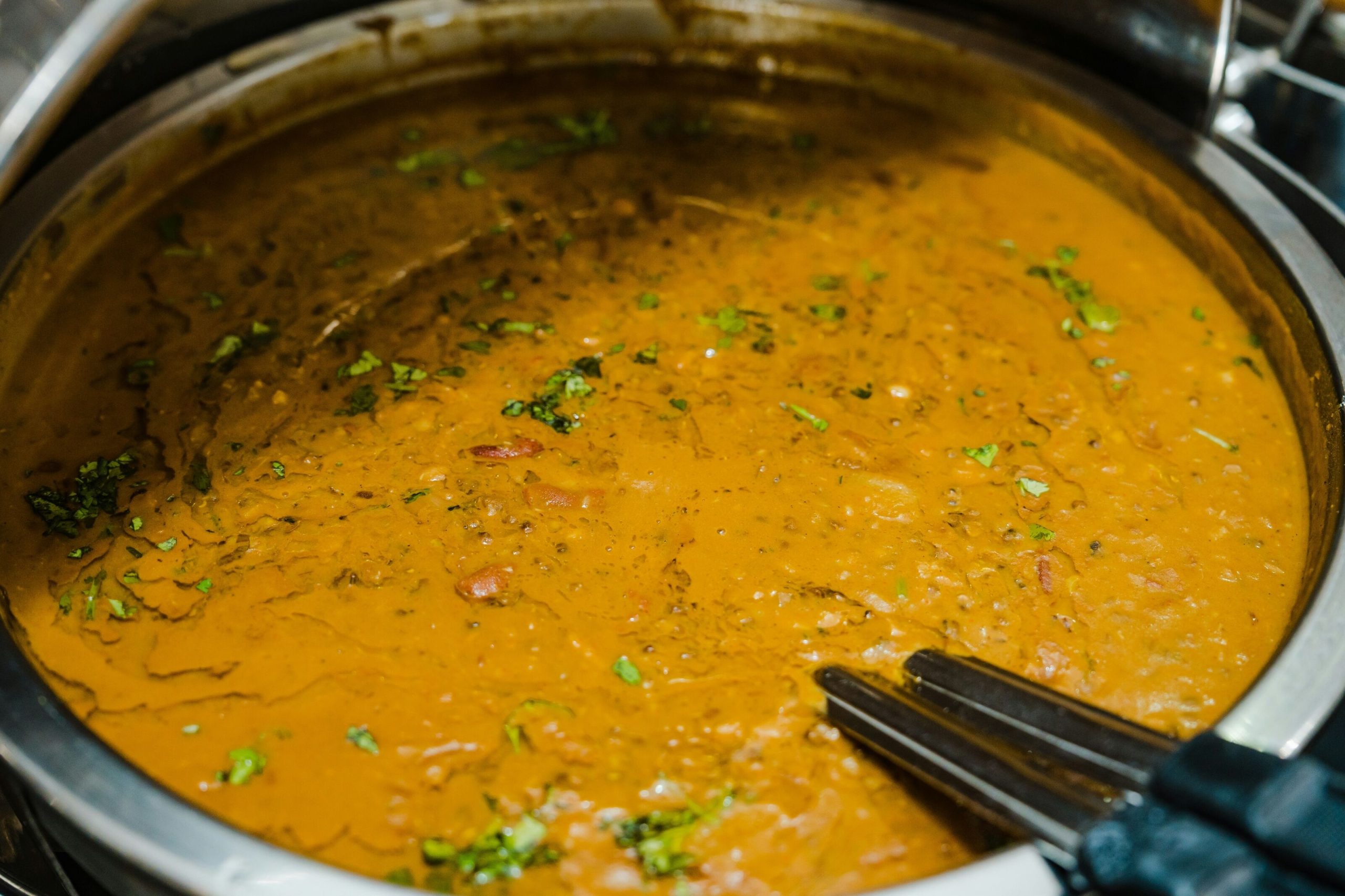
My chole recipe uses soaked dried chickpeas (far better protein value than canned), a slow-cooked tomato-onion masala with chole masala powder, dried amla for tartness, and a tea bag for that characteristic dark colour. A full cup of cooked chickpeas has 15 grams of protein and a remarkable 12 grams of fibre, which keeps you full for hours.
I eat the chole with two boiled eggs mixed in — it sounds odd but the eggs absorb the spiced masala beautifully — or with a couple of chapatis if it is a rest day and I am less concerned about carbs. On training days, I eat it as is, with a raita on the side.
Protein breakdown: 1 cup chole (15g) + 2 boiled eggs (12g) = 27g per meal
5. Paneer Bhurji — 20g Protein Per Serving
Paneer bhurji is essentially egg bhurji made with crumbled paneer instead of eggs, and it is one of those dishes that tastes far more impressive than the effort it requires. It is also significantly more protein-dense than most people realise — 100 grams of good quality paneer contains approximately 18–20 grams of protein.
I use 150 grams of paneer per serving. Crumble it roughly — some larger chunks are better than a completely uniform crumble. The masala is the same as egg bhurji but I add a little more tomato because paneer absorbs moisture and the dish dries out quickly. A handful of frozen peas thrown in adds colour, texture, and a small amount of additional protein.
This is my preferred post-workout dinner when I am too tired to cook anything elaborate. Ten minutes from start to plate, and it gives me more protein than a standard chicken breast at a mediocre gym café.
Protein breakdown: 150g paneer = 27g protein per serving
6. Dal Tadka with Double Dal — 16g Protein Per Bowl
Regular restaurant-style dal tadka is made with a combination of toor dal and some chana dal. I make mine with a triple combination — toor dal, moong dal, and masoor dal — which significantly increases the protein content while making the flavour more complex and interesting.
Pressure cook equal parts of all three dals together with turmeric and salt for 4 whistles. The combined texture is slightly thicker and creamier than single-dal versions. For the tadka, heat ghee, add cumin seeds, dried red chillies, garlic, and a pinch of asafoetida. Pour the sizzling tadka over the cooked dal and finish with coriander and lemon juice.
This three-dal combination gives about 16 grams of protein per generous serving. On training days I eat two large bowls with one chapati. On rest days I add rice. The dal itself is the same either way — only the accompaniment changes based on my goals for that day.
Protein breakdown: Mixed dals per serving = 16g | Digestibility is excellent — no post-meal heaviness
7. Grilled Tandoori Chicken at Home — 35g Protein Per Serving
This one requires a little more preparation but it is worth building into your weekly routine. Proper tandoori chicken at home — made in an oven or on a tawa — is the highest-protein Indian meal on this list and one of the most genuinely satisfying things I eat all week.
Marinate 250 grams of chicken thighs (thighs stay juicier than breast in home cooking) in thick curd, ginger-garlic paste, red chilli powder, coriander powder, garam masala, turmeric, cumin, and a squeeze of lemon. Marinate for at least 4 hours — overnight is better. Cook in an oven at 220°C for 25 minutes, turning once, or on a cast iron tawa on high heat with a lid on for the first 10 minutes.
The curd marinade tenderises the chicken and creates a slightly charred, smoky crust even without a tandoor. 250 grams of chicken gives you approximately 55 grams of protein in a meal that tastes nothing like diet food.
I make a double batch every Sunday and refrigerate it. Reheated in a dry tawa for 3 minutes, it is almost as good as fresh. I eat it with mint chutney, sliced onion rings, and a squeeze of lemon — no rice, no bread needed.
Protein breakdown: 250g chicken thigh = 45–55g protein | One of the most complete high-protein Indian meals available
The Principle Behind All of This
Looking at these seven meals together, the pattern is clear: Indian cuisine has always been protein-rich. Dal, legumes, paneer, eggs, and meat are all naturally high-protein foods that form the backbone of traditional Indian cooking.
The only adjustment required for a gym-going lifestyle is portion management — specifically, eating more of the protein-dense component (dal, sabzi, paneer, eggs) and less of the carbohydrate component (rice, roti, bread). You do not need to stop eating Indian food. You do not need protein powder if you do not want it. You need to look at your existing diet and rebalance the portions.
Real food, cooked properly, eaten with some awareness of what is in it — that is all fitness nutrition needs to be.
Quick Protein Reference Card
| Meal | Protein | Prep Time |
|---|---|---|
| Moong Dal Chilla + Paneer | 22g | 20 min |
| Rajma + 2 Eggs | 27g | 30 min (or 5 min if pre-made) |
| Egg Bhurji (4 eggs) | 24g | 12 min |
| Chole + 2 Eggs | 27g | 30 min |
| Paneer Bhurji (150g) | 27g | 10 min |
| Triple Dal Tadka | 16g | 25 min |
| Tandoori Chicken (250g) | 50g | 30 min (+ marination) |
Two years into my gym routine, I eat better Indian food than I did before I started training. The discipline of thinking about protein made me a more intentional cook — I soak dal overnight now, I always have boiled eggs in the fridge, I make rajma in bulk. These habits made my food better, not just healthier.
The gym and the Indian kitchen are not in conflict. They never were.
SmartDesiLife.com | Real food for real Indian lives