Hidden Gems in Rajasthan Beyond Jaipur and Jodhpur

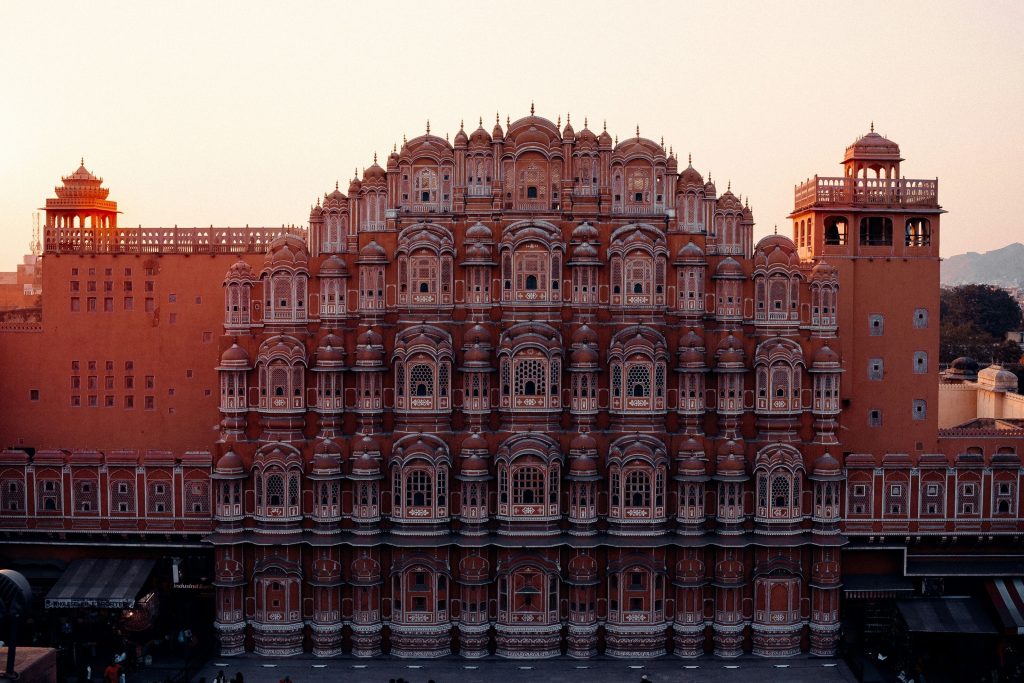
Hidden gems in Rajasthan beyond Jaipur and Jodhpur — unexplored travel destinations in Rajasthan

You have seen Jaipur’s Hawa Mahal on every Instagram grid. You have watched Jodhpur’s blue houses appear in more travel reels than you can count. Rajasthan’s famous cities are magnificent — but they are also crowded, expensive, and increasingly curated for foreign tourists rather than curious Indian travellers.

The real Rajasthan — the one that feels untouched, where chai costs ₹10 and a local shows you a 400-year-old step well that does not appear on any tourist map — lives in its lesser-known corners. Here are six places that will make you fall in love with Rajasthan all over again.


1. Bundi — The Blue City Nobody Talks About

Everyone knows Jodhpur as the blue city. Almost nobody knows that Bundi, tucked in the Hadoti region of southeastern Rajasthan, has streets just as blue, a palace just as grand, and a fraction of the tourist crowd.

Bundi Palace sits dramatically against a rocky hill, with elaborate murals covering its walls — paintings so detailed and vivid that Rudyard Kipling reportedly used the palace as inspiration while writing Kim. The Taragarh Fort above offers views of the town’s stepped tanks (baolis) and winding lanes that are nothing short of cinematic.

What makes Bundi special: The town has barely commercialised. Local families still live in the painted havelis, and a walk through the old city feels like stepping into a living museum.

Best time to visit: October to February

How to reach: Kota is the nearest major railway station (35 km away). Direct buses from Jaipur take about 5 hours. No airport — which is precisely why Bundi stays quiet.

Where to stay: Several heritage homestays in the old city charge ₹800–₹2,000 per night and serve home-cooked Rajasthani meals.


2. Shekhawati — The Open-Air Art Gallery of India

The Shekhawati region, spanning towns like Mandawa, Nawalgarh, Fatehpur, and Ramgarh, contains the densest collection of painted havelis in the world. In the 18th and 19th centuries, wealthy Marwari merchants commissioned artists to cover the walls and ceilings of their mansions with elaborate frescoes — mythological scenes, depictions of the British Raj, trains, and even early aeroplanes painted by artists who had never seen one.

Walking through Mandawa’s narrow lanes and discovering a haveli with ceilings painted like the Sistine Chapel — on a random Tuesday, with no entry ticket — is the kind of travel experience you describe to people for years.

What makes Shekhawati special: Hundreds of these havelis remain unlocked. You simply walk in, look around, and walk out. The scale and quality of art is genuinely world-class.

Best time to visit: November to February (summer here is brutally hot)

How to reach: Mandawa is 190 km from Jaipur — a 3.5-hour drive or direct bus. Nawalgarh has a small bus terminal with connections to Jaipur, Bikaner, and Delhi.

Where to stay: Several havelis have been converted into heritage hotels. Budget options start at ₹1,200 per night; heritage properties go up to ₹4,000.


3. Osian — Rajasthan’s Desert Temple Town

Most travellers pass through or near Osian on their way to Jaisalmer without stopping. This small town, 65 km north of Jodhpur, contains a remarkable cluster of 8th–11th century Pratihara-era temples that predate many of Rajasthan’s more famous monuments.

The Sachiya Mata Temple here is a living temple visited by locals for centuries. The surrounding desert landscape, with its distinctive dunes and camel farms, is the real Thar experience without the tourist circus of Jaisalmer.

What makes Osian special: It combines archaeology, living religious culture, and desert scenery in one small, quiet town. Osian’s camel safari scene is also significantly more authentic and affordable than anything near Jaisalmer.

Best time to visit: October to March

How to reach: 65 km from Jodhpur by road. Plenty of private cabs and occasional buses. Day trips from Jodhpur work perfectly.

Tip: Hire a local guide from the village — they know which temple interiors are open and which carving details are worth studying closely.


4. Alwar — The Forgotten Kingdom at Delhi’s Doorstep

Alwar is Rajasthan’s closest district to Delhi (just 160 km) and yet remains one of its least visited. The city’s palace, Vinay Vilas Mahal, houses a museum with an extraordinary collection of weapons, manuscripts, royal palanquins, and miniature paintings — often with barely a dozen visitors on a weekday.

But the real reason to come to Alwar is the surrounding landscape. The Sariska Tiger Reserve sits within Alwar district, and unlike Ranthambore, safaris here are considerably easier to book and often more intimate. The medieval ruins of Bhangarh Fort — which has a somewhat overstated reputation as India’s most haunted location — make for a genuinely atmospheric half-day trip surrounded by Aravalli hills.

What makes Alwar special: It is the rare destination that suits a day trip from Delhi, a weekend escape, or even a week-long stay for wildlife enthusiasts.

Best time to visit: October to March (Sariska is closed June–September)

How to reach: Direct trains from Delhi Hazrat Nizamuddin take 2–2.5 hours. Road trip from Delhi on NH48 is easy and scenic.


5. Barmer — Raw, Unfiltered Desert Rajasthan

If Jaisalmer is Rajasthan dressed up for photographs, Barmer is Rajasthan as it actually lives. This remote district in southwestern Rajasthan is home to artisan communities whose embroidery, block printing, and wood carving have barely changed in centuries.

The town itself is not conventionally beautiful — it is dusty, functional, and real. But the surrounding villages are where Rajasthan’s craft heritage lives. Visiting a block-printing workshop in a Barmer village, watching a master craftsman create intricate patterns by hand, and buying directly from the maker (at a fraction of craft fair prices) is a travel experience that feels genuinely meaningful.

What makes Barmer special: Authentic craft experiences, minimal tourist infrastructure (meaning locals treat you like a guest, not a customer), and landscapes that look like a different planet.

Best time to visit: November to February

How to reach: Barmer has its own railway station with connections to Jodhpur and Jaisalmer. The journey from Jodhpur takes about 5 hours.


6. Chittorgarh — Rajasthan’s Most Emotional Destination

Chittorgarh is not unknown, but it is dramatically undervisited relative to its historical and emotional significance. The Chittorgarh Fort is the largest fort in India by area and the site of three legendary jauhars — mass sacrifices by Rajput women choosing death over surrender. The scale of the fort is staggering: it covers 700 acres across a plateau, contains seven gates, dozens of temples, towers, and palaces, and requires at least half a day to explore seriously.

Unlike Amber Fort in Jaipur, which has become almost an assembly line of tourist groups, Chittorgarh feels properly contemplative. The ruins of Rani Padmini’s palace, the towering Vijay Stambha (Tower of Victory), and the ancient Kalika Mata temple all carry a weight of history that is difficult to describe but impossible to ignore.

What makes Chittorgarh special: It is the site where Rajput history was made and lost. No Indian traveller should miss it.

Best time to visit: October to March

How to reach: Good train connectivity from Jaipur, Udaipur, and Mumbai. The nearest airport is Udaipur (115 km away).


Practical Tips for Exploring Hidden Rajasthan

Hire local guides, not agency guides. In smaller towns, local guides know the backstory of every lane and building. They also know which dhabas are worth eating at. Ask your hotel to recommend someone from the community.

Travel in November or February. October and December are peak season — even the quiet places get busier. November and February offer the same good weather with thinner crowds.

Take night trains between cities. Rajasthan’s rail network is excellent. Overnight trains save hotel costs and make good use of travel time.

Carry cash. Many smaller towns and villages operate entirely on cash. ATMs exist but are not always reliable.

Learn five words of Rajasthani. Khamma Ghani (a respectful greeting), Padharo (welcome), and Bahut sundar (very beautiful) will earn you the warmest smiles you have encountered anywhere in India.


Rajasthan’s famous cities are worth visiting — they became famous for a reason. But if you have already been, or if you simply want to experience India’s most dramatic state at a slower, more human pace, these six destinations offer something the postcards never captured: the Rajasthan that Rajasthanis actually love.

Have you visited any of these places? Share your experience in the comments — we would love to feature traveller stories from these hidden corners.


SmartDesiLife | Travel guides for curious Indian explorers

Biryani vs Pulao — The Real Difference Finally Explained

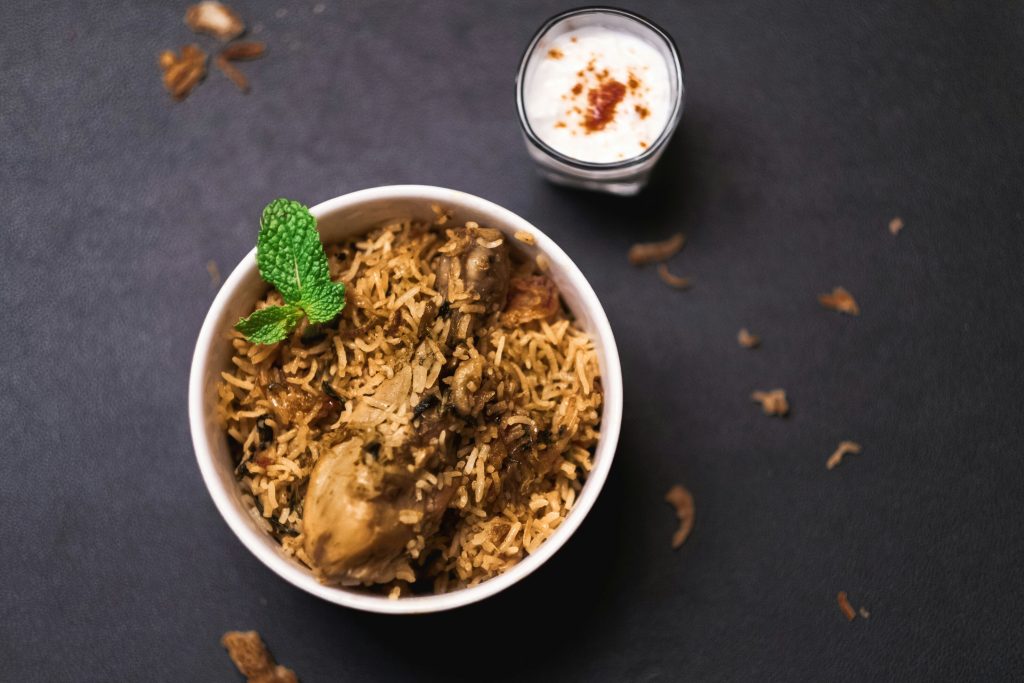
Biryani vs Pulao — the real difference explained with authentic Indian rice dish comparison

Ask ten Indians to explain the difference between biryani and pulao and you will get eleven different answers — all delivered with complete confidence.

“Biryani uses basmati rice, pulao does not.” Wrong. Both typically use long-grain rice.

“Biryani always has meat.” Wrong. Vegetable biryani and paneer biryani are as legitimate as any other.

“Pulao is just a simpler, less spiced biryani.” Closer — but still not the whole story.

The biryani vs pulao debate has been going on at Indian dining tables for as long as both dishes have existed. And the reason the debate never ends is that most people are arguing about the wrong things — the ingredients, the colour, the spice level — when the real difference lies in something far more fundamental: how the rice is cooked.


The One True Difference: The Cooking Method

Strip away all the regional variations, all the family recipes, all the restaurant interpretations, and you are left with one defining distinction between biryani and pulao.

Pulao uses the absorption method. The rice and other ingredients — vegetables, meat, legumes — are cooked together in a measured quantity of stock or water. Everything goes into the same pot, absorbs the liquid together, and finishes cooking simultaneously. The flavour infuses the rice as it cooks. The dish comes together in one continuous process. The result is fragrant, well-seasoned, and cohesive — a single unified dish.

Biryani uses the dum method. The rice and the main ingredient — meat, vegetables, or paneer — are cooked separately first. The meat is prepared in its own intensely spiced masala. The rice is parboiled separately in spiced water until it is about 70% cooked. Then the two are layered in a heavy-bottomed vessel — masala at the bottom, partially cooked rice on top — sealed tightly with a lid (traditionally with dough), and finished over a very low flame for 20–30 minutes. The steam trapped inside the sealed pot does the final cooking, forcing the flavours of the masala upward into the rice while the rice’s starch falls downward into the masala.

This is the essential truth: pulao is cooked as one. Biryani is assembled in layers and steam-finished.

Everything else — the spices used, the richness of the gravy, the colour of the rice, whether it contains meat — these are variables that differ from recipe to recipe and region to region. The method is what defines the dish.


A Brief History of Both Dishes

Understanding where these dishes came from makes the distinction even clearer.

Pulao — also spelled pilaf, pilau, or polo depending on which part of the world you are in — is one of the oldest rice preparations in the world. Its origins trace back to ancient Persia, where cooking rice in seasoned broth rather than plain water was developed as a technique for producing more flavourful, aromatic rice. The dish spread across Central Asia, the Middle East, and eventually into the Indian subcontinent with trade and migration. Indian pulao absorbed local spices and ingredients but retained its essential character: a single-pot rice dish cooked in seasoned liquid.

Biryani has a more specific origin story — and a more contested one. Most food historians agree that it developed in the royal kitchens of the Mughal Empire, likely in Lucknow and Hyderabad, where Persian culinary traditions met the spice abundance of the Indian subcontinent. The word biryani itself comes from the Persian birian, meaning “fried before cooking” — a reference to the technique of browning the rice or meat before the dum cooking stage. Biryani was royal food: complex, labour-intensive, requiring multiple stages of preparation and specialised knowledge. It was designed to impress.

Pulao, by contrast, was everyday food — nutritious, efficient, beautifully flavoured, but not theatrical.


Regional Variations That Blur the Line

Part of the reason this debate never resolves neatly is that India’s regional food traditions have created so many variations that the categories sometimes seem to overlap.

Hyderabadi Biryani — arguably India’s most famous — is a true dum biryani in every sense. Marinated meat and parboiled rice are layered and sealed, finished over a wood or coal flame. The rice grains are distinct, the masala is intensely flavoured, and a spoonful from the bottom of the pot tastes fundamentally different from one taken at the top.

Lucknowi (Awadhi) Biryani uses a pakki (pre-cooked) method where both the meat and rice are almost fully cooked before layering, and the dum is brief — more a final aromatics-infusion than a cooking stage. It is milder and more fragrant than Hyderabadi biryani.

Kashmiri Pulao is so richly spiced, garnished with fried nuts, saffron, and dried fruits, that it looks like a festive biryani to the uninitiated. But the rice and all ingredients were cooked together in one pot — making it, technically, a pulao regardless of how grand it appears.

Malabar Biryani from Kerala uses short-grain Kaima rice rather than basmati, giving it a completely different texture from the long-grain biryanis of the north. Yet the dum technique is retained, so it remains, definitively, a biryani.

These regional variations show that the ingredients can vary enormously — but wherever the dum technique is used, wherever the rice and filling were cooked separately and brought together, it is biryani. Wherever everything cooked in one pot together, it is pulao.


The Flavour Difference — What You Actually Taste

Beyond technique, biryani and pulao produce genuinely different eating experiences.

Pulao is a unified dish. Every grain of rice carries the same flavour — the gentle warmth of whole spices, the savouriness of the broth, the earthiness of whatever vegetables or meat cooked alongside it. It is balanced, cohesive, and satisfying in a quiet, settled way. A good matar pulao or jeera pulao eaten on a cold evening, with raita and pickle, is one of the most comforting meals in Indian cuisine.

Biryani is a dish of contrasts. Because the masala and rice are cooked separately and layered, different spoonfuls taste different. A spoonful taken from the bottom — where the masala sits — is intensely flavoured, dark, almost caramelised. A spoonful from the top — pure parboiled rice — is light and fragrant. A spoonful from the middle contains both. The variation within a single serving is the point. It is designed to be explored rather than simply consumed.

A well-made biryani also has textural complexity that pulao does not attempt. Caramelised fried onions layered into the rice provide pockets of sweetness and crunch. Fried nuts add richness. The meat, having cooked in its own masala before being sealed with the rice, has a depth and tenderness that meat cooked in a single pot simply cannot match.


Why the Confusion Exists — And Why It Matters

In practical terms, the biryani-pulao confusion persists for one simple reason: commercial shortcuts.

A proper dum biryani takes three to four hours to make correctly — marinating the meat overnight, preparing the masala, parboiling the rice, assembling the layers, sealing the vessel, and finishing over a low flame. This is not feasible in a high-volume restaurant kitchen turning out hundreds of plates per hour.

So many restaurants cook the rice and masala together in one pot — a pulao method — and serve the result as “biryani.” The dish may be delicious. It may be colourful and fragrant. But it is technically pulao, regardless of what the menu says. This shortcut has become so widespread that many people have grown up eating pulao labelled as biryani, which makes the confusion understandable.

Does it matter? In the sense that mislabelling food is slightly irritating — yes. In the sense that a delicious plate of rice and masala is still delicious regardless of what you call it — not really.


How to Tell Biryani from Pulao on Your Plate

If you are ever unsure what you are eating, here are three reliable signs you have a real biryani in front of you:

Distinct layers. True biryani shows visible white and yellow-tinged layers of rice, with the darker masala at the base. Pulao is uniform in colour throughout.

Uneven flavour across the plate. Scoop from different parts of the serving. If the bottom tastes dramatically richer and spicier than the top, you have biryani. If it tastes the same throughout, it is pulao.

Whole spices in the rice. Dum biryani typically has whole cardamom pods, star anise, bay leaves, and cinnamon pieces scattered through the rice from the parboiling water — not just ground spice mixed into the dish.


The Final Verdict

Biryani and pulao are not the same dish in different sizes of ambition. They are fundamentally different techniques that produce fundamentally different results.

Pulao is a one-pot rice dish cooked in seasoned liquid — efficient, flavourful, and beautifully suited to weeknight dinners and everyday meals.

Biryani is a two-stage layered preparation finished in sealed steam — complex, theatrical, designed for celebrations, and when made properly, one of the greatest rice dishes in the world.

Neither is better than the other. They serve different purposes, suit different occasions, and represent different aspects of what Indian cooking can do with a handful of rice and the right technique.

The next time someone hands you a plate of rice and calls it biryani — take a spoonful from the bottom. If it tastes completely different from the top, believe them. If it tastes exactly the same throughout, smile and enjoy your very good pulao.


SmartDesiLife.com | Food knowledge for the curious desi kitchen

Air Fryer Pakora — Same Crunch, 80% Less Oil

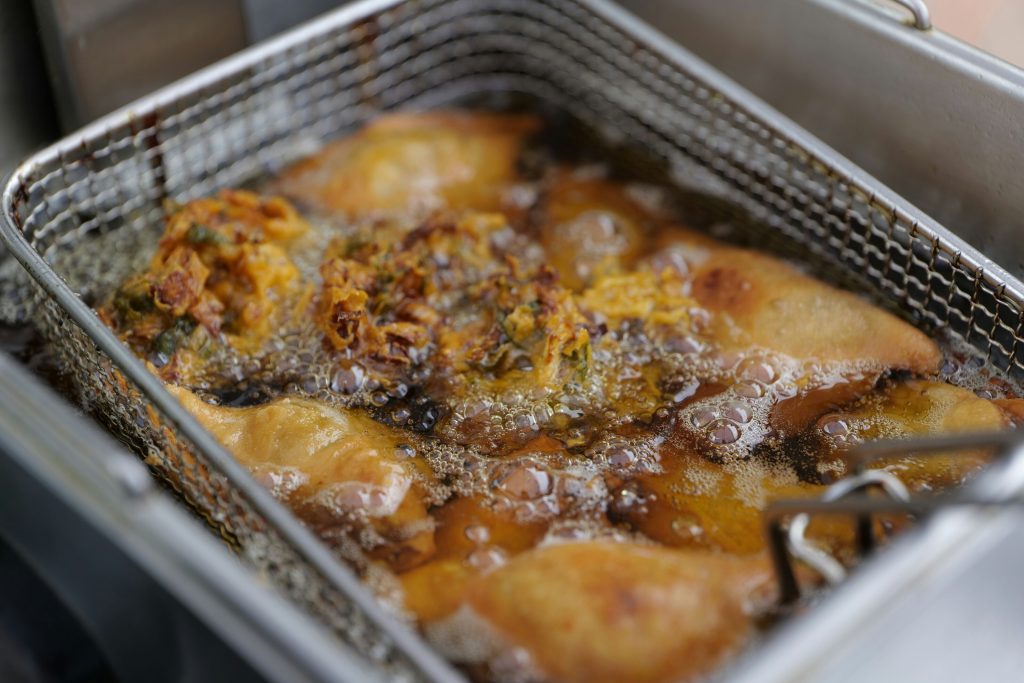
Air fryer pakora with same crunch and 80% less oil — healthy Indian snack recipe

Pakoras and monsoon belong together. There is no negotiating this. The moment rain starts hitting the window, every Indian brain sends the same signal: chai aur pakora chahiye. The problem is the oil. A traditional batch of pakoras involves nearly half a litre of hot oil, a splattered stovetop, and that heavy, greasy feeling an hour later.

Enter the air fryer — and with it, the best thing to happen to pakoras since besan.

This recipe delivers pakoras that are genuinely crunchy on the outside, soft and cooked through on the inside, and require only one tablespoon of oil for an entire batch. Once you try this method, deep-frying will feel unnecessarily dramatic.


Why Air Fryer Pakoras Work

The science is simple. An air fryer circulates superheated air at high speed around the food, creating the Maillard reaction (browning and crisping) that you normally need oil to achieve. The besan batter, which is naturally dense and absorbs flavour well, crisps up beautifully in the hot circulating air — especially when you give it a light spray or brush of oil.

The result: a crunch that rivals deep-fried pakoras at 20% of the oil. Not a compromise. A genuine upgrade.


Ingredients

Serves 3–4 | Prep time: 15 minutes | Cook time: 18 minutes per batch

Batter:

  • 1½ cups besan (chickpea flour)
  • ½ tsp ajwain (carom seeds)
  • ½ tsp turmeric powder
  • 1 tsp red chilli powder
  • ½ tsp garam masala
  • 1 tsp chaat masala
  • Salt to taste
  • Water (enough to make a thick batter — approx. ¾ cup)
  • 1 tbsp oil (for the batter)

Filling options (choose one or more):

  • 2 medium onions, thinly sliced (pyaaz pakora)
  • 1 large potato, thinly sliced (aloo pakora)
  • 6–8 spinach leaves (palak pakora)
  • 200g paneer, cut into cubes (paneer pakora)
  • 1 large green chilli, slit (mirchi pakora)

For air frying:

  • Oil spray or 1 tbsp oil for brushing

Step-by-Step Method

Step 1: Make the Batter

In a large mixing bowl, combine besan, ajwain, turmeric, red chilli powder, garam masala, chaat masala, and salt. Add 1 tablespoon of oil — this is key for getting a crunchier texture in the air fryer.

Add water gradually, mixing constantly, until you have a thick batter that coats the back of a spoon. It should be thicker than pancake batter — more like a thick yogurt consistency. A batter that is too thin will not coat properly and will drip off in the air fryer.

Let the batter rest for 5 minutes. This allows the besan to hydrate fully.

Step 2: Prepare Your Vegetables

For onion pakoras: Separate the sliced onions into rings and add them directly into the batter. Mix with your hands until every piece is well coated. The onion releases slight moisture which actually helps the batter cling better.

For potato pakoras: Slice potatoes into thin rounds (about 3mm thick). Pat them dry with a kitchen towel before dipping in batter — moisture is the enemy of crunch.

For palak pakoras: Wash and dry the spinach leaves completely. Dip each leaf into the batter, coating both sides.

For paneer pakoras: Cut paneer into 1-inch cubes. Dip and coat generously.

Step 3: Preheat Your Air Fryer

Preheat your air fryer to 200°C for 5 minutes. This step is non-negotiable. A cold air fryer gives you steamed pakoras, not crispy ones.

Step 4: Arrange and Spray

Line the air fryer basket with parchment paper or lightly grease it. Place the battered pieces in a single layer — do not overcrowd. Leave small gaps between each piece so the hot air can circulate.

Spray or lightly brush the tops of the pakoras with oil. This surface oil is what triggers the crisping reaction.

Step 5: Air Fry in Two Stages

Cook at 200°C for 10 minutes. Open the basket and flip each pakora carefully. Spray or brush oil on the other side. Cook for another 8 minutes until deep golden and visibly crisp.

Important: Different fillings need slightly different times:

  • Onion pakoras: 16–18 minutes total
  • Potato pakoras: 18–20 minutes total
  • Palak pakoras: 14–15 minutes total
  • Paneer pakoras: 15–16 minutes total

Step 6: Serve Immediately

Air fryer pakoras are best eaten within 5 minutes of coming out. Like all fried foods, they lose their crunch as they cool. If making for a group, work in batches and keep finished pakoras in the oven at 80°C while you cook the next batch.


The Perfect Dipping Chutneys

Pakoras without chutney are a philosophical failure. Serve with:

Green chutney: Blend fresh coriander, mint, 1 green chilli, garlic, lemon juice, and a pinch of salt. The freshness cuts through the richness of the pakora.

Date-tamarind chutney: Available readymade, or simmer tamarind pulp with jaggery, roasted cumin, and salt for a sweet-sour depth that pairs perfectly with onion pakoras.

Ketchup: No shame. Tomato ketchup on a pakora is a legitimate choice and anyone who says otherwise is wrong.


Tips for Maximum Crunch

Do not overcrowd the basket. This is the single biggest mistake people make with air fryers. Overcrowding traps steam and prevents crisping. Cook in small batches even if it takes longer.

Pat vegetables dry before battering. Excess moisture dilutes the batter coating and creates steam instead of crunch.

Oil spray beats oil brush. A fine oil spray coats more evenly and uses less oil than a brush. If you do not have a spray bottle, use a silicone pastry brush and work lightly.

Rest the batter. Letting the besan batter sit for 5–10 minutes before using gives a crispier, more cohesive result.

Add a tablespoon of rice flour to the batter. This is a restaurant trick — rice flour increases crunch significantly without changing the flavour.


Variations to Try

Bread pakora: Sandwich two slices of bread with spiced potato filling, cut into triangles, dip in batter, and air fry. Hearty enough to be a full breakfast.

Cauliflower pakoras (Gobi pakora): Blanch small cauliflower florets for 2 minutes, dry completely, coat in batter, and air fry. The florets become almost meaty inside.

Mixed vegetable pakoras: Combine thinly sliced capsicum, onion, potato, and spinach into the batter together and scoop tablespoon-sized portions into the air fryer. Each bite is different.


Frequently Asked Questions

Which air fryer is best for pakoras? Any air fryer with a basket-style design works well. A 4-litre capacity or above lets you do bigger batches. The brand matters less than the temperature accuracy.

Can I make the batter in advance? Yes, up to 4 hours in advance. Cover and refrigerate. Stir before using and add a splash of water if it thickened.

Why are my pakoras coming out soft, not crunchy? Three possible reasons: batter too thin, air fryer not preheated, or basket overcrowded. Fix all three and you will get the crunch.

Can I reheat leftover pakoras in the air fryer? Yes — 5 minutes at 180°C brings them back to life. They will not be quite as good as fresh but far better than microwave-reheated.


The air fryer pakora is not a health food — it is still besan, still fried (sort of), still best eaten with chai on a rainy afternoon. But it is meaningfully lighter, significantly less messy, and gives you crunch that will make you question every batch of oil-fried pakoras you have made before.

Try it this monsoon season and tell us which filling you liked best!


SmartDesiLife | Desi recipes for the modern Indian kitchen

Skincare Routine for Indian Skin: What Actually Works

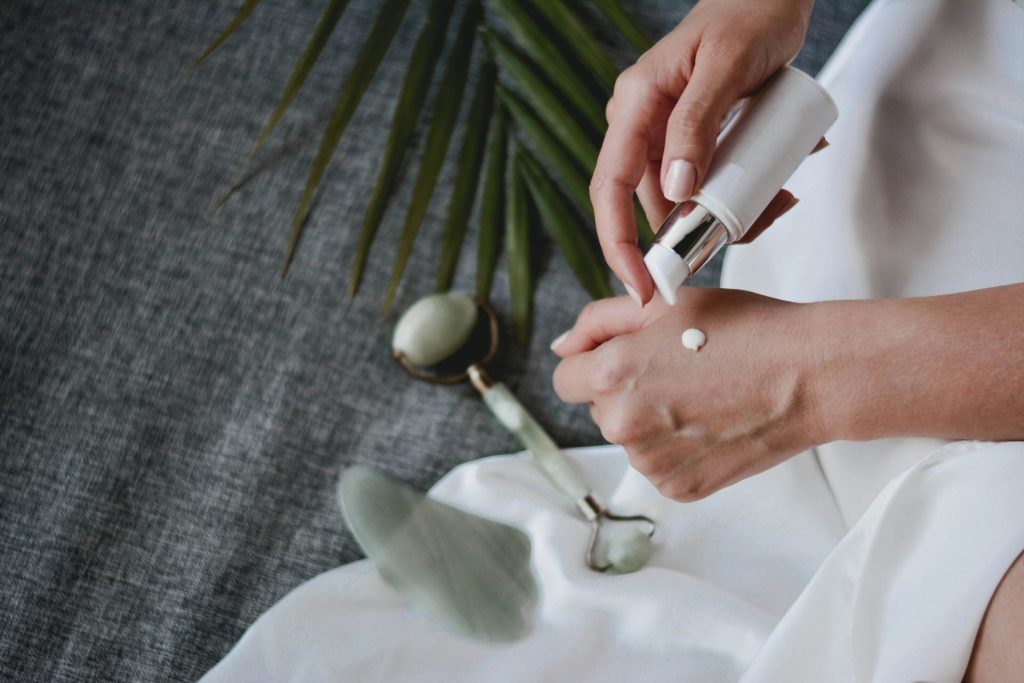
Skincare routine for Indian skin — effective tips and products that actually work for desi skin tones

Most skincare content online is written for Fitzpatrick skin types I–III — pale to medium European or East Asian skin. Indian skin, which spans Fitzpatrick types III–VI, has different concerns, different sensitivities, and different needs. What works for a Korean skincare routine does not automatically work for a Tamilian or a Kashmiri complexion.

This guide is written specifically for Indian skin — covering its actual common concerns, what the research says works, and how to build a routine that is effective without being expensive or complicated.


The Most Common Indian Skin Concerns

Hyperpigmentation and uneven skin tone: The most common concern across Indian skin types. Indian skin contains more active melanocytes (pigment-producing cells), which means it tans faster, develops post-acne marks more readily, and is more prone to melasma (hormonal dark patches, especially in women).

Oiliness, especially in humid climates: Most of India — coastal, tropical, or monsoon-affected — creates conditions where skin produces more sebum. Oily T-zones and enlarged pores are extremely common.

Acne and post-acne marks: Closely linked to oiliness. Indian skin tends to scar more visibly than lighter skin types, making post-acne dark marks (PIH — post-inflammatory hyperpigmentation) a significant concern.

Sensitivity to harsh actives: Indian skin, despite being darker and appearing more resilient, can react strongly to over-exfoliation, harsh retinoids, and certain chemical sunscreens.


The Non-Negotiable: Sunscreen Every Single Day

No ingredient — not niacinamide, not Vitamin C, not retinol — addresses hyperpigmentation effectively without daily sunscreen use. UV exposure is the primary trigger for melanin production, which means every unprotected day undoes progress made by actives.

For Indian skin specifically:

  • SPF 30 minimum, SPF 50 recommended for daily city use
  • PA+++ rating (protection against UVA rays that cause pigmentation)
  • Gel-based or fluid formulas work best for oily Indian skin — cream-based sunscreens feel heavy and cause greasiness in humid weather

Affordable options that actually work: Re’equil Ultra Matte Fluid SPF 50 (₹499), Minimalist SPF 50 PA++++ (₹399), Lotus Safe Sun SPF 50 gel (₹280).


The Basics: A Simple 4-Step Routine

Morning

  1. Cleanser — A gentle, sulphate-free face wash. For oily skin: salicylic acid cleanser (2%). For dry or sensitive skin: a hydrating, low-foam cleanser.
  2. Vitamin C serum — Addresses hyperpigmentation, brightens skin, and boosts sunscreen effectiveness. Start with 10% L-ascorbic acid for beginners. Apply before moisturiser.
  3. Moisturiser — Even oily skin needs hydration. A gel moisturiser with hyaluronic acid is perfect for Indian humid climates.
  4. Sunscreen — SPF 50, PA++++. Non-negotiable.

Evening

  1. Double cleanse on heavy sunscreen or makeup days — Oil-based cleanser first, then face wash.
  2. Active ingredient (alternate nights) — Niacinamide (10%) for hyperpigmentation and pore reduction, or retinol (start at 0.025%) for anti-ageing and acne.
  3. Moisturiser — Slightly richer than your daytime formula.

The Most Effective Ingredients for Indian Skin

Niacinamide (Vitamin B3): The single most well-researched ingredient for hyperpigmentation in darker skin tones. Reduces melanin transfer to skin cells, minimises pores, controls oil, and improves skin barrier. Safe, gentle, and effective for all Indian skin types. Start at 5% and work up to 10%.

Vitamin C (L-ascorbic acid): Brightens, addresses sun damage, and protects against free radicals. Best used in the morning under sunscreen. Can sting on sensitive skin — start with 10%.

Alpha Arbutin: A gentler alternative to hydroquinone for addressing dark marks and uneven tone. Effective and well-tolerated by Indian skin. Often found in combination products.

Salicylic acid (BHA): Ideal for oily and acne-prone Indian skin. Exfoliates inside the pores, reduces blackheads, and treats acne. Use at 2% concentration, 2–3 times per week.

Retinol: The gold standard for anti-ageing and acne management. Indian skin can be sensitive to retinol — start very slowly (0.025% once a week) and increase gradually. Always use at night and follow with sunscreen the next morning.


What to Avoid

Hydroquinone without medical supervision: Effective but carries significant risks for Indian skin including paradoxical darkening (ochronosis) with long-term use. Only use under dermatologist guidance.

Physical scrubs: St. Ives apricot scrub, walnut scrubs, and similar products cause micro-tears in the skin, worsen PIH, and damage the skin barrier over time. Chemical exfoliation (AHA/BHA) is safer and more effective.

Mixing too many actives at once: A common mistake. Vitamin C and niacinamide together, or retinol and AHAs together, can cause irritation and paradoxical darkening in Indian skin. Introduce one new active at a time.


The Reality Check

Most Indian skin concerns — hyperpigmentation, oiliness, acne — take 8–12 weeks of consistent routine use to show improvement. There is no ingredient, however expensive, that works in two weeks.

A simple, consistent routine with sunscreen, niacinamide, and one targeted active will outperform a 12-step routine used inconsistently. Consistency beats complexity every time.


SmartDesiLife | Real lifestyle advice for Indian women and men

Morning Habits of Productive Indian Professionals (Science-Backed)

Morning habits of productive Indian professionals — science-backed daily routine for success

The 5 AM productivity advice flooding the internet was largely written by Silicon Valley executives whose mornings involve a personal trainer, a cold plunge pool, and a smoothie that costs ₹800. It is helpful advice for about 0.3% of the world.

This article is for the other 99.7% — specifically, the Indian professional who wakes up between 6 and 7 AM, has a commute ranging from 30 minutes to 2 hours, possibly has children who also need to be ready by 8, and still wants to feel like a functioning, energised human being by the time they reach their desk.

Here are the morning habits that genuinely productive Indian professionals use — all of them grounded in research, none of them requiring a cold plunge pool.


1. Start with Water, Not Your Phone

Every doctor, sleep researcher, and productivity expert agrees on this: the first thing you reach for in the morning should not be your phone. Checking notifications and social media within minutes of waking activates your brain’s stress and comparison circuitry before you have had a single thought of your own.

A glass of water first — plain, warm, or with lemon if you prefer — has multiple documented benefits. During sleep, you lose water through respiration and minimal perspiration. Even mild dehydration reduces cognitive performance by 10–15%, which means foggy thinking, slower reaction times, and irritability. Rehydrating first thing is the fastest, cheapest cognitive boost available.

The habit: Keep a glass or bottle of water on your bedside table. Drink it before picking up your phone. This takes 30 seconds and the benefit is immediate.

The science: A 2012 study in the Journal of Nutrition found that mild dehydration caused mood disturbances and reduced concentration even in young, healthy adults. You do not need to be clinically dehydrated to feel the effects.


2. The 10-Minute Rule for Not Checking Email

Checking work email first thing in the morning puts you in a reactive mode — you immediately start responding to other people’s priorities rather than your own. Highly productive professionals in research studies consistently report beginning their day with their own agenda before opening external communications.

The practical version of this for Indian work culture: if you absolutely must check your phone early (many of us have family group chats that require quick responses), set a timer for 10 minutes. Answer only genuinely urgent messages. Then put the phone down and do at least 20 minutes of your own work or morning routine before reopening notifications.

The habit: Work email does not get checked until after breakfast — or at minimum, not within the first 30 minutes of waking.


3. Walk, Yoga, or Any 20 Minutes of Movement

Research from Harvard Medical School shows that 20–30 minutes of moderate morning exercise improves executive function (decision-making, focus, problem-solving) for 2–3 hours after the activity. It also significantly reduces morning cortisol spikes — the stress hormone that makes you feel overwhelmed before the day has even started.

The specific type of movement matters less than the consistency. A 20-minute morning walk around your colony, a YouTube yoga video, surya namaskar (12 rounds takes exactly 18 minutes), or even a quick stretching routine all produce similar cognitive benefits.

The desi advantage: Surya namaskar is one of the most scientifically validated morning practices in existence — it combines cardiovascular movement, stretching, and breathwork in 18 minutes. It requires no equipment, no gym, and no space beyond a yoga mat. Competitive gym memberships cannot match this efficiency.

The habit: 20 minutes of movement, 5 days a week minimum. Consistency matters more than intensity.


4. Eat Breakfast — a Real One

Breakfast skipping is increasingly common among Indian urban professionals, often marketed as intermittent fasting. While time-restricted eating has legitimate research support, the “skip breakfast, have chai and keep working” approach most people actually follow is not intermittent fasting — it is just skipping a meal and then being irritable by 11 AM.

Cognitive performance is measurably impaired when blood sugar is low. A breakfast with protein and complex carbohydrates — eggs with toast, poha, idli-sambar, moong dal chilla, or even simple peanut butter on multigrain bread — sustains mental energy through the morning. Pure carbohydrate breakfasts (biscuits, sweet chai, white bread with jam) create a blood sugar spike followed by a crash around 10:30 AM.

The habit: Eat breakfast. Aim for at least 15–20 grams of protein. Prepare it the night before if mornings are rushed (overnight oats, soaked poha, boiled eggs).


5. Spend 5 Minutes Identifying Your Three Most Important Tasks

This one habit separates genuinely productive professionals from busy ones. Before opening a laptop or responding to any messages, spend 5 minutes writing down — on paper, not a digital app — the three most important things that need to be accomplished today.

Not everything on your to-do list. Not every email that needs responding to. The three things that, if done, would make the day genuinely successful.

Research on working memory shows that writing tasks on paper offloads them from your brain’s “active storage,” reducing background cognitive load and freeing up mental bandwidth for actual work. It also forces prioritisation — which is the skill that separates effective professionals from merely busy ones.

The habit: A small notebook on your desk. Every morning, three tasks. Circle them. Start the day with the hardest one.


6. Get Natural Light Within the First Hour

This is the one that most people know the least about and benefits from the most. Natural morning light — specifically, sunlight — triggers the body’s circadian clock, which regulates sleep timing, hormone release, energy levels, and mood. Getting 10–20 minutes of natural light within the first hour of waking sets this clock correctly and produces measurably better sleep 14–16 hours later.

For Indian professionals, this is easier than it sounds. Drinking your morning chai on a balcony or by a window, walking outside even briefly, or doing your morning exercise outdoors provides this light exposure. It does not require direct sunshine — even overcast light is significantly brighter than indoor lighting and produces the same circadian effect.

Neuroscientist Andrew Huberman, whose research on morning light has reached wide popular awareness, recommends this as the single most impactful habit for energy, focus, and sleep quality.

The habit: Get outside — or at minimum, in front of a bright window — within the first 60 minutes of waking. Ten minutes is sufficient.


7. The Chai Ritual as Mindfulness (Yes, Really)

Most productivity advice treats chai as a caffeine delivery mechanism — something to consume quickly and get on with it. But the ritual of making and drinking chai has genuine mindfulness potential that most Indian professionals already practise without realising it.

Making chai from scratch — boiling water, adding tea leaves and ginger, measuring milk, adjusting flame — is a 5-minute process that requires just enough attention to pull you out of autopilot thought and into the present moment. This is exactly what mindfulness practices aim to achieve.

The research on brief mindfulness moments (as short as 3–5 minutes) shows measurable reductions in cortisol and improvements in subsequent focus. You do not need a meditation app or a 20-minute guided session. The chai ritual, done with attention rather than on autopilot while scrolling, produces similar benefits.

The habit: Make chai without your phone. Drink it without your phone. Be present for 10 minutes.


8. Avoid Scheduling Anything Before 10 AM If Possible

Cognitive functions peak differently across the day. For most people, the 2–3 hours after waking (once alert) represent peak creative and analytical thinking capacity — the time when complex reasoning, writing, problem-solving, and strategic thinking are easiest.

Using this window for meetings, commutes, and administrative tasks is a significant waste of your brain’s best hours. Productive professionals fiercely protect their morning hours for deep, solo work and push meetings and calls to mid-morning or afternoon when possible.

The habit: Block your calendar from 9–11 AM for deep work whenever possible. Even two or three protected mornings per week significantly increase meaningful output.


A Sample Morning for a Busy Indian Professional

6:15 AM — Wake up, drink water before touching the phone
6:20 AM — 10 minutes of stretching or surya namaskar on the balcony (natural light)
6:45 AM — Make chai mindfully, drink it while watching the street / garden
7:00 AM — Shower and get ready
7:30 AM — Breakfast with protein
7:50 AM — 5 minutes writing three priorities for the day
8:00 AM — Begin commute or work (first task: the hardest one)

This is not a 5 AM routine. It does not require a gym membership, a smoothie blender, or a personal coach. It requires 15 minutes of intentional choices and the discipline to not pick up the phone for the first half hour.


The One Habit to Start With

If you have read this and feel overwhelmed by the list — start with just one. The research on habit formation is clear: trying to change multiple habits simultaneously reduces success rates significantly. Pick one habit from this list. Do it consistently for 21 days. Then add the next.

The water habit is the easiest starting point. The natural light habit has the highest impact. The three-task-writing habit has the most direct effect on daily productivity.

Which one will you try tomorrow morning? Tell us in the comments.


SmartDesiLife | Practical lifestyle advice for real Indian lives