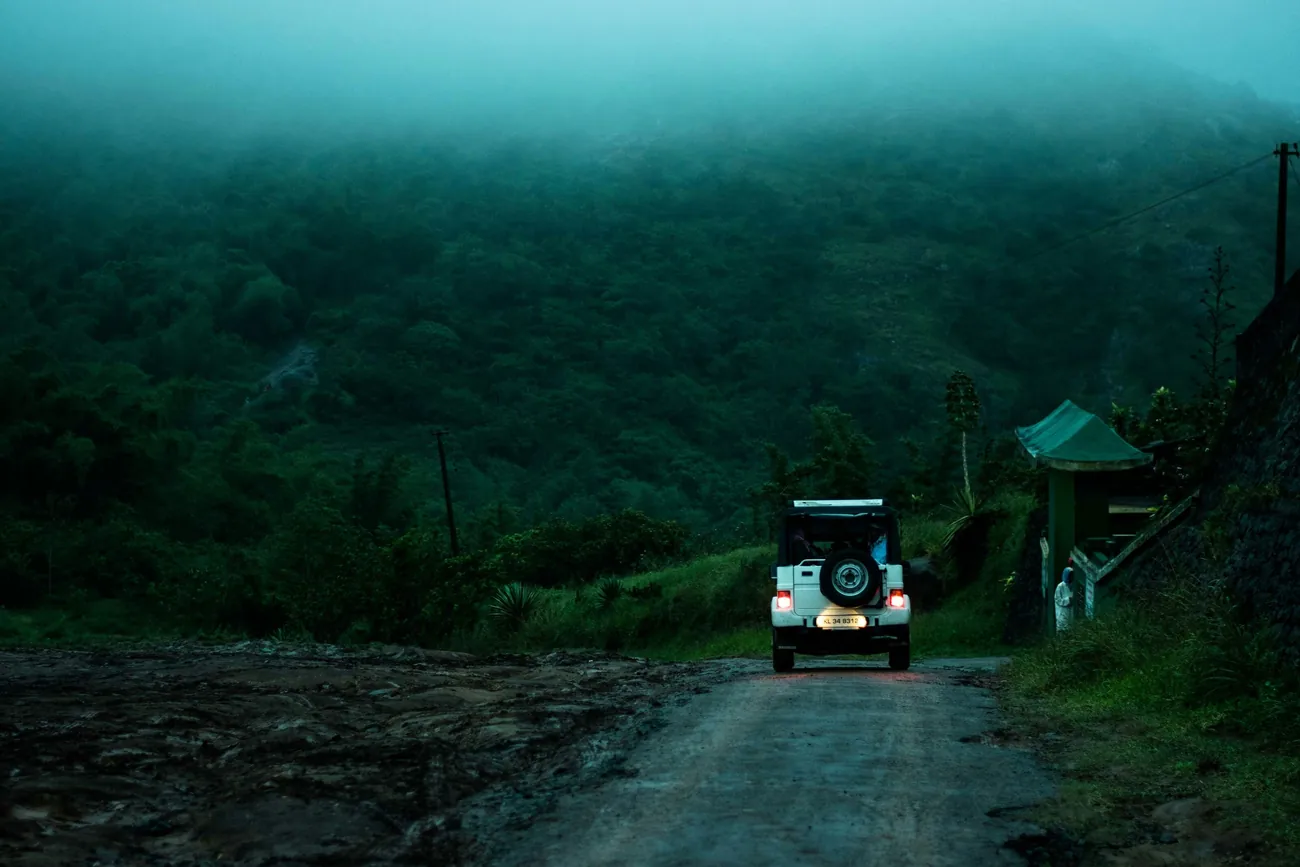
There's something different about travelling in India during the monsoon.
Hills that looked dry a few months earlier turn green. Small streams become waterfalls, clouds settle over mountain roads, and even familiar landscapes take on a completely different appearance.
If you enjoy rain, misty viewpoints, and lush surroundings, the months between June and September offer some beautiful travel experiences.
But a monsoon holiday needs more planning than simply choosing a destination that looks attractive in photographs.
Heavy rainfall can cause landslides, flooded roads, slippery trekking paths, and dangerous sea conditions. Some tourist attractions close temporarily or remain inaccessible throughout much of the rainy season.
That's why it's worth choosing a destination according to both its scenery and the activities you can safely enjoy.
Here are ten places in India worth considering during the monsoon or the greener weeks immediately afterward, along with practical advice on when to visit and what to check before booking.
Best Monsoon Destinations in India: Quick Comparison
| Destination |
State |
Suggested travel window |
Main attraction |
| Cherrapunji and Mawsynram |
Meghalaya |
June–September for rain scenery |
Waterfalls, clouds, green valleys |
| Coorg |
Karnataka |
July–September, conditions permitting |
Coffee estates, forests, waterfalls |
| Valley of Flowers |
Uttarakhand |
July–September, during the official season |
Alpine wildflowers and Himalayan trekking |
| Munnar |
Kerala |
September–October for a potentially calmer trip |
Tea gardens, misty hills |
| Malshej Ghat |
Maharashtra |
July–September |
Seasonal waterfalls and mountain views |
| Dudhsagar Falls |
Goa |
October onward for more reliable visitor access |
Large waterfall and forest scenery |
| Udaipur |
Rajasthan |
July–September |
Lakes, palaces, Aravalli scenery |
| Wayanad |
Kerala |
September–October, subject to warnings |
Forests, plantations, hills |
| Spiti Valley |
Himachal Pradesh |
July–September, subject to road conditions |
Cold-desert landscape and monasteries |
| Gokarna |
Karnataka |
Late September–October for a post-monsoon trip |
Green coastline and relaxed beach towns |
These are seasonal planning suggestions, not guarantees of safe weather or open attractions.
1. Cherrapunji and Mawsynram, Meghalaya
Few places show the intensity of India's monsoon quite like Meghalaya.
Cherrapunji, also known as Sohra, and nearby Mawsynram are among the wettest inhabited places in the world.
During the rainy season, clouds frequently cover the Khasi Hills, waterfalls become more powerful, and the surrounding valleys turn exceptionally green.
You may wake up to thick mist outside your window, only to see part of the valley appear when the clouds begin to lift.
The region is particularly known for its waterfalls and living root bridges.
These bridges are created by guiding and training the aerial roots of living rubber fig trees over time. They are closely associated with the traditions and knowledge of local Khasi communities.
Places to Explore
Nohkalikai Falls: One of Meghalaya's most famous waterfalls, known for its dramatic drop into a valley.
Nohsngithiang Falls: Also called Seven Sisters Falls, particularly striking when rainfall feeds its multiple streams.
Mawsmai Cave: A well-known cave attraction, subject to local operating conditions.
Living root bridges: Remarkable examples of living structures, although some require demanding hikes.
What to Know Before Visiting
Meghalaya receives extremely heavy rain in parts of the monsoon.
That makes the scenery attractive, but it can also reduce visibility and make trails hazardous.
Don't assume that a living root bridge trek is safe simply because the destination is famous.
Confirm trail conditions and use locally authorized guides where required.
Best suited for: Travellers who enjoy dramatic rainfall, waterfalls, and misty landscapes.
Suggested season: June to September for strong monsoon scenery; consider the drier months if hiking is your main priority.
2. Coorg, Karnataka
Coorg, officially called Kodagu, is known for its coffee plantations, forested hills, and relaxed atmosphere.
During the monsoon, the plantations and surrounding slopes become richly green.
Roadside streams fill with water, and the cooler, wet weather gives the region a very different feeling from summer.
For many visitors, the appeal is simply spending a few days in a homestay, enjoying local food, and watching the rain from a covered veranda.
You don't need to spend every hour sightseeing.
Places to Explore
Abbey Falls: A popular waterfall near Madikeri.
Iruppu Falls: Located in a forested part of Kodagu.
Mallalli Falls: Another scenic waterfall in the district.
Coffee plantations: Some estates offer organized visits or accommodation, depending on the property.
What to Know Before Visiting
Coorg can experience heavy rainfall, landslides, and temporary travel restrictions.
Road conditions may change quickly, especially on hilly stretches.
Check whether waterfall viewpoints and plantation activities are accessible before planning your day.
Accommodation prices may differ between seasons, but a monsoon discount isn't guaranteed.
Best suited for: Couples, families, and travellers seeking a quiet stay surrounded by greenery.
Suggested season: July to September for monsoon landscapes, with weather checks essential.
3. Valley of Flowers, Uttarakhand
The Valley of Flowers is different from a typical hill-station holiday.
Located in Chamoli district, this UNESCO World Heritage Site is famous for its high-altitude meadows and seasonal alpine flowers.
During the flowering season, patches of the landscape become colourful with different varieties of wildflowers.
Surrounded by Himalayan mountains, the valley offers a rewarding experience for travellers who enjoy trekking and nature.
However, reaching it involves considerably more effort than visiting an ordinary roadside viewpoint.
What Makes It Special?
The Valley of Flowers is home to a wide variety of alpine plants and forms part of the Nanda Devi Biosphere Reserve.
The landscape changes throughout the short visitor season.
Flowers begin appearing as conditions become suitable, with July to September generally associated with greater floral abundance.
How to Visit
The usual approach begins from the Govindghat area, followed by a trek towards Ghangaria.
Ghangaria serves as the base for the final hike into the valley.
The complete journey involves substantial walking over multiple days, with steep sections and variable mountain weather.
It's not a casual outing suitable for every traveller.
What to Know Before Visiting
High-altitude trekking requires preparation.
Rain can affect roads, bridges, trails, and the time needed to complete the journey.
Check official park-opening dates, entry requirements, and route conditions.
Overnight camping inside the Valley of Flowers National Park is not permitted, so visitors generally return to Ghangaria after their visit.
Best suited for: Travellers who are physically prepared for a multi-day Himalayan trek.
Suggested season: July to September, depending on park access, flower conditions, and weather warnings.
4. Munnar, Kerala
Munnar is beautiful throughout much of the year, but its landscape becomes particularly green during and after the monsoon.
Tea plantations cover the hills in carefully shaped rows, while clouds drift across the valleys.
On some mornings, the mist is so thick that nearby hills almost disappear.
As it clears, you can see the tea estates spreading across the slopes.
This changing scenery makes Munnar attractive even when you aren't planning strenuous outdoor activities.
Places to Explore
Tea plantations: The region's most recognizable landscape.
Tea Museum: An option for learning about tea production, subject to operating hours.
Attukad Waterfalls: A scenic waterfall in the surrounding area.
Eravikulam National Park: Known for its protected Nilgiri tahr population, with entry subject to seasonal and conservation restrictions.
What to Know Before Visiting
Heavy rainfall can make mountain roads slippery and reduce visibility.
Some outdoor activities may be restricted during severe weather.
Also, don't assume Eravikulam National Park closes immediately after every monsoon. Its well-known seasonal closure is associated with the Nilgiri tahr calving period, generally around February and March, although schedules should always be checked.
For travellers who prefer greenery without deliberately seeking the heaviest rain, the weeks after peak monsoon conditions may be more comfortable.
Best suited for: Couples, tea-garden enthusiasts, and people looking for a relaxed hill-station holiday.
Suggested season: September and October for lingering greenery, subject to local forecasts.
5. Malshej Ghat, Maharashtra
Malshej Ghat is one of Maharashtra's popular monsoon destinations, particularly for people travelling from Mumbai and Pune.
During the rainy season, the mountain slopes turn green and seasonal waterfalls appear along the rocky cliffs.
Clouds frequently move through the valley, sometimes limiting visibility to a short distance.
It's the kind of place where the journey through the Western Ghats is a major part of the experience.
What to See
The ghat road offers viewpoints and seasonal waterfalls.
The surrounding area also includes Pimpalgaon Joga Dam and access to more demanding mountain routes.
The region is known for birdlife, including reported seasonal flamingo sightings near the reservoir, although wildlife sightings can never be guaranteed.
How to Reach
Malshej Ghat lies on the Kalyan–Ahilyanagar road corridor.
Travellers from Mumbai commonly approach through Kalyan and Murbad, while routes from Pune vary according to their starting point.
Check the actual road conditions before leaving.
What to Know Before Visiting
Don't stop vehicles on narrow bends or unsafe roadside shoulders just to photograph waterfalls.
Fog can reduce visibility, and heavy rain may increase the risk of landslides and falling rocks.
Avoid entering roadside waterfalls or standing below unstable cliffs.
Best suited for: Short scenic road trips from Mumbai and Pune.
Suggested season: July to September, when local road and weather conditions permit.
6. Dudhsagar Falls, Goa
Dudhsagar Falls is among Goa's most recognizable natural attractions.
The waterfall descends in multiple tiers through a forested part of the Western Ghats near the Goa–Karnataka border.
During the monsoon, the flow can become particularly powerful.
That makes the falls impressive, but it also creates an important travel problem.
Can You Visit Dudhsagar During the Monsoon?
Not necessarily.
Officially authorized jeep safari access is generally suspended during much of the heavy monsoon period because forest routes and water crossings become unsafe.
Access commonly resumes after the monsoon, subject to approval and conditions.
That means July and August may be attractive months for the waterfall's appearance but unsuitable for a normal tourist visit.
Do not assume you can simply hire a jeep from Mollem during peak rainfall.
How to Plan a Visit
For a trip focused specifically on seeing Dudhsagar Falls, consider planning after the monsoon when authorized visitor services are operating.
Confirm booking arrangements and access rules through official or authorized sources before travelling.
Avoid unofficial routes, railway-track walks, and restricted forest access.
Best suited for: Waterfall enthusiasts who can plan around official access conditions.
Suggested season: October onward, after authorized visitor access resumes.
7. Udaipur, Rajasthan
Rajasthan isn't usually the first region people think of when planning a monsoon holiday.
But Udaipur can be particularly attractive during the rainy season.
The city sits among the Aravalli hills, with lakes, palaces, and historic streets forming much of its character.
When the surrounding hills turn greener, the city looks different from its dry-season appearance.
Clouds moving across Lake Pichola can make the scenery especially appealing.
Places to Explore
Lake Pichola: One of Udaipur's best-known landmarks.
Fateh Sagar Lake: A popular spot for enjoying views of the surrounding hills.
City Palace: A major historical attraction with views over the city.
Sajjangarh Palace: Also known as the Monsoon Palace, situated on a hill above Udaipur.
What to Know Before Visiting
The water level in Udaipur's lakes depends on actual rainfall and water management.
Don't assume that every lake will be completely full throughout the monsoon.
Rain may also affect boating, hill roads, and outdoor sightseeing.
One advantage is that Udaipur has plenty of cultural and historical attractions that don't depend entirely on good weather.
Best suited for: Couples, families, and travellers who enjoy heritage sites alongside monsoon scenery.
Suggested season: July to September, according to rainfall and local conditions.
8. Wayanad, Kerala
Wayanad is known for its forests, plantations, hills, and rich natural surroundings.
During the rainy season, the landscape becomes greener and waterfalls can flow strongly.
However, Wayanad requires particularly careful monsoon planning.
Heavy rainfall in the region can create serious landslide and travel risks.
It's important to distinguish between beautiful monsoon scenery and safe access to individual attractions.
Places to Explore
Edakkal Caves: Known for their ancient rock engravings, with access dependent on local conditions.
Chembra Peak: A popular trekking area where permissions and weather restrictions matter.
Soochipara Falls: A well-known waterfall attraction.
Meenmutty Falls: Another waterfall area requiring attention to current access conditions.
What to Know Before Visiting
Do not assume these attractions are automatically open during the monsoon.
Forest authorities and district officials may restrict trekking routes, waterfalls, or tourist centres during periods of heavy rain.
Plan your stay around the activities that are officially permitted when you visit.
For travellers primarily interested in nature and scenery rather than demanding treks, the later part of the rainy season or post-monsoon period may offer more flexibility.
Best suited for: Travellers interested in forest landscapes, plantation stays, and relaxed nature experiences.
Suggested season: September to October for a potentially more manageable trip, subject to weather and district restrictions.
9. Spiti Valley, Himachal Pradesh
Spiti Valley offers a very different landscape from the green monsoon destinations elsewhere on this list.
It's a high-altitude cold desert with dramatic mountains, small villages, ancient monasteries, and wide open valleys.
Because of its location in the rain shadow of the Himalayas, Spiti receives considerably less monsoon rainfall than many other parts of northern India.
This makes summer an important travel season for the region.
But there's a catch.
Even when Spiti itself is relatively dry, the mountain roads leading into the valley may pass through areas affected by rain, landslides, debris, or sudden flooding.
Places to Explore
Kaza: An important base for exploring the region.
Key Monastery: One of Spiti's best-known monasteries.
Kibber: A high-altitude village surrounded by mountain scenery.
Langza and Hikkim: Villages associated with Spiti's distinctive landscape and culture.
Tabo: Known for its historic monastery.
What to Know Before Visiting
Don't confuse a relatively dry valley with guaranteed road access.
The Manali–Kaza route can be affected by conditions around high mountain passes, while the Shimla–Kinnaur approach also requires careful road-status checks.
High altitude is another important consideration.
Give yourself suitable time to acclimatize and take symptoms of altitude illness seriously.
Medical and emergency services are limited in parts of the region.
Best suited for: Experienced mountain travellers comfortable with long journeys and high-altitude conditions.
Suggested season: July to September, depending on open roads, weather conditions, and personal preparedness.
10. Gokarna, Karnataka
Gokarna is a coastal town known for its beaches, temples, and relatively relaxed atmosphere.
During the monsoon, the surrounding hills become green and the coastline takes on a dramatic appearance.
However, this is not the same kind of beach holiday you might enjoy in winter.
The Arabian Sea can become rough, and swimming or water sports may be prohibited.
Places to Explore
Gokarna Main Beach: Close to the town and its temple area.
Kudle Beach: Known for its crescent-shaped shoreline.
Om Beach: One of Gokarna's most recognizable beaches.
Half Moon Beach: A more remote beach generally reached by a cliffside trail or boat when conditions permit.
What to Know Before Visiting
Cliffside trails can become slippery during wet weather.
Boat services may be affected by sea conditions, and swimming should be avoided when local authorities prohibit it.
Don't plan a monsoon holiday around beach trekking or water sports without checking whether those activities are permitted.
If you want a relaxing coastal stay with more reliable outdoor access, consider travelling after the heaviest rainfall has eased.
Best suited for: Travellers interested in coastal scenery and a quieter holiday.
Suggested season: Late September to October for a post-monsoon visit, subject to sea and weather conditions.
Which Monsoon Destination Should You Choose?
The right place depends on what you want to experience.
| Your travel preference |
Destinations to consider |
| Heavy rain and dramatic waterfalls |
Cherrapunji and Mawsynram |
| Coffee plantations and green hills |
Coorg |
| High-altitude flowers and trekking |
Valley of Flowers |
| Tea gardens and misty landscapes |
Munnar |
| Short scenic road trip from Mumbai |
Malshej Ghat |
| Large waterfall after the rains |
Dudhsagar Falls |
| Lakes and heritage attractions |
Udaipur |
| Forest scenery and plantation stays |
Wayanad |
| High-altitude cold-desert landscapes |
Spiti Valley |
| Relaxed coastal scenery after heavy rain |
Gokarna |
Remember that the destination with the strongest rainfall isn't necessarily the safest or most enjoyable choice for your travel dates.
How to Plan a Safe Monsoon Trip in India
Monsoon weather can change quickly.
A location may have pleasant rain one day and significant transport problems the next.
Before leaving, check four things.
1. Check the IMD Weather Forecast and Warnings
Use the India Meteorological Department's district-level forecasts and warnings.
Check both your destination and the route you'll use to reach it.
A forecast for the nearest major city may not accurately describe conditions along a mountain road or in a remote valley.
2. Review Official Disaster Alerts
NDMA's SACHET platform provides alerts from authorized government sources.
It can help you identify warnings relevant to your destination.
Pay attention to official advice about flooding, landslides, and other hazards.
3. Confirm Transport and Attraction Access
Check whether the roads, trains, flights, ferries, or local services you plan to use are operating.
For protected forests, national parks, waterfalls, and trekking routes, confirm visitor access with the relevant authority.
Don't rely solely on an older travel video or blog post.
4. Understand Cancellation Conditions
Before booking accommodation or activities, check what can be changed or cancelled.
Refundable bookings may provide useful flexibility when weather conditions are uncertain.
A slightly cheaper non-refundable booking isn't always the better choice during a season known for disruptions.
Understanding Weather Alerts During a Monsoon Holiday
Weather-warning colours should influence your plans, but always read the actual instructions accompanying an official alert.
| Warning situation |
Travel approach |
| No significant warning |
Continue checking current local conditions |
| Yellow or watch conditions |
Review plans, allow extra time, and avoid unnecessary exposure |
| Orange or alert conditions |
Be prepared to change routes and cancel risky outdoor activities |
| Red or warning conditions |
Follow official instructions and be ready to postpone travel |
A district warning does not automatically describe the conditions at every individual attraction.
Likewise, the absence of a warning does not guarantee that a remote waterfall or mountain road is safe.
Monsoon Travel Packing Checklist
Packing well can make a rainy-season trip much more comfortable.
-
Waterproof jacket or raincoat
-
Backpack rain cover or dry bag
-
Quick-drying clothing
-
Footwear with suitable grip
-
Spare socks
-
Waterproof protection for electronics
-
Insect repellent
-
Personal medication and a basic first-aid kit
-
Drinking water and suitable snacks
-
A light warm layer for higher elevations
-
Offline maps and booking confirmations
-
Power bank and charging cable
An umbrella can be useful in towns and cities, while a well-fitting rain jacket is often more practical for walking in windy or mountainous conditions.
Choose footwear according to the terrain rather than assuming one pair of sandals or shoes is suitable everywhere.
Carry oral rehydration salts if appropriate for your needs, but don't treat them as a substitute for safe drinking water and normal hydration.
Important Waterfall and Beach Safety Tips
Waterfalls are particularly attractive during the monsoon, but high water flow can be dangerous.
A stream that appears shallow may become much stronger after upstream rainfall.
Never enter fast-moving water or cross a flooded road or stream on foot.
Avoid slippery rocks near waterfall edges and don't approach restricted viewpoints.
The same caution applies to coastal destinations.
Strong currents and rough seas can make swimming unsafe even when a beach looks inviting.
Follow lifeguard instructions and local restrictions.
A beautiful photograph is never worth entering a hazardous area.
Is Monsoon Travel Suitable for Families?
It depends on the destination, accommodation, weather, and activities.
A relaxed stay in a town with reliable road access is very different from a demanding high-altitude trek.
For families with children or older relatives, consider destinations where you can enjoy the scenery without relying on slippery hiking trails or repeated long transfers.
Check accommodation access, medical facilities, road conditions, and indoor alternatives before booking.
Travelling with family doesn't mean avoiding the monsoon completely.
It means choosing a plan that allows everyone to enjoy the trip comfortably and safely.
Frequently Asked Questions
Which place is best to visit during the monsoon in India?
There isn't one destination that's best for everyone. Meghalaya is known for intense rain and waterfalls, while Munnar and Coorg are popular for green hill scenery. Udaipur offers a mix of heritage and seasonal lake views.
Choose according to the weather forecast, transport access, and activities you want to enjoy.
Which month is best for monsoon travel in India?
July and August often bring strong monsoon conditions to many regions, but they can also bring the greatest disruption.
September and October may suit some destinations where greenery remains after the heaviest rain, although seasonal patterns vary by region and year.
Is it safe to visit waterfalls during heavy rain?
Not necessarily. Strong currents, slippery rocks, flash flooding, and local restrictions can make waterfall areas dangerous.
Follow official guidance and avoid entering the water.
Can I visit Dudhsagar Falls in July or August?
Authorized tourist access, including jeep safaris, is generally restricted during much of the heavy monsoon period.
Check the current official opening status rather than assuming access is available.
Is Spiti Valley safe during the monsoon?
Spiti generally receives less monsoon rain than many nearby regions, but the approach roads may still face landslides, debris, and closures.
High-altitude conditions also require preparation.
Can I go trekking in Wayanad during the monsoon?
Only where routes are officially open and conditions are suitable.
Forest and district authorities may temporarily restrict trekking or waterfall access during heavy rain.
Is Gokarna good during the monsoon?
Gokarna can offer attractive green coastal scenery, but rough seas and slippery trails may limit swimming, water sports, and trekking.
A post-monsoon visit may be more suitable for travellers who want those activities.
Final Thoughts
India's rainy season can make familiar destinations look completely different.
The forests of Meghalaya, the tea gardens around Munnar, the waterfalls of Maharashtra, and the lakes of Udaipur all have their own monsoon character.
But beautiful scenery shouldn't be the only reason to book a trip.
Choose a destination that suits your interests, check official weather warnings, and make sure the activities you want to enjoy are actually accessible.
Keep some flexibility in your plans.
Sometimes the most enjoyable monsoon holiday isn't the one where you visit the most waterfalls or viewpoints.
It's the one where you can enjoy the rain, spend time in beautiful surroundings, and return home without unnecessary risks.
Related Articles
- Top Hill Stations Near Mumbai for a Weekend Escape
- Hidden Gems in Rajasthan Beyond Jaipur and Jodhpur
- Slow Travel: Why Visiting Fewer Places Can Improve Your Trip
Official References
— END OF STORY —Have a factual correction or suggestion? Get in touch.