Most Indians avoid travelling during monsoon season. This is a genuine mistake. Between July and September, when the rest of the country is sweating indoors, some of India’s most dramatic landscapes are at their absolute peak — waterfalls roaring, forests deep green, hillsides covered in wildflowers, and popular destinations blissfully empty of tourists. If you have never travelled during monsoon, this is your sign to try it this year.
Here are 10 places across India that are simply better in the rain.
1. Cherrapunji and Mawsynram, Meghalaya
These two villages in the Khasi Hills of Meghalaya hold the record for the highest rainfall on earth — and in full monsoon, they become something genuinely surreal. Waterfalls appear on every hillside. Clouds move through valleys at eye level, and the living root bridges — ancient structures woven from the aerial roots of rubber trees by the Khasi people — are surrounded by dense, dripping green jungle. The Nohkalikai Falls, India’s tallest plunge waterfall, reaches its maximum volume and power during these months. If you visit only one monsoon destination in your lifetime, make it Meghalaya.
Best months: July and August | Nearest airport: Shillong (55 km from Cherrapunji)
2. Coorg, Karnataka
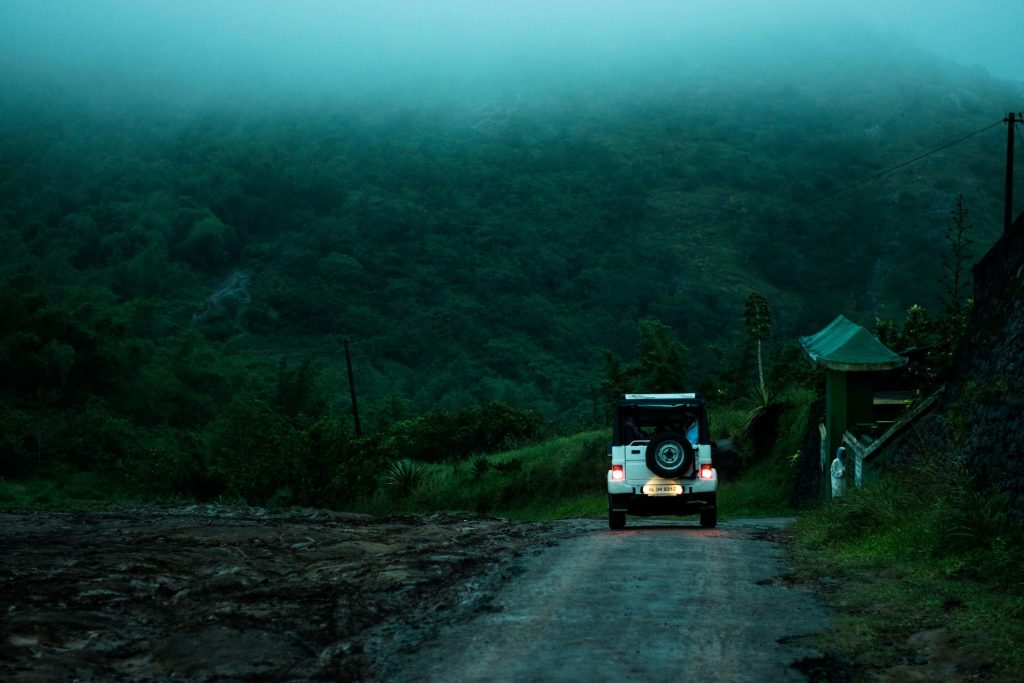
Coorg — officially called Kodagu — is one of South India’s most beautiful districts in any season. In monsoon, it becomes extraordinary. Coffee and cardamom plantations turn a rich, almost impossibly deep green. The district’s many waterfalls — Abbey Falls, Iruppu Falls, and Mallalli Falls — reach their peak volume and are genuinely spectacular. The air smells of rain, coffee, and earth in a combination that is completely unique to this part of India. Accommodation costs drop significantly during monsoon, making it an excellent budget hill station choice.
Best months: July to September | Nearest airport: Mangalore (136 km) or Mysore (95 km)
3. Valley of Flowers, Uttarakhand
This UNESCO World Heritage Site in the Chamoli district of Uttarakhand is one of India’s most remarkable natural wonders — and it exists almost entirely in monsoon season. The Valley of Flowers blooms only between July and early September, when over 600 species of alpine wildflowers cover an 87 square kilometre high-altitude meadow. The valley is snowbound for the rest of the year. The trek from Govindghat is approximately 17 km and takes 2 days at a comfortable pace. It is manageable for anyone with basic fitness and proper footwear.
Best months: mid-July to mid-August | Nearest airport: Jolly Grant, Dehradun (295 km)
4. Munnar, Kerala
Munnar’s tea gardens are photogenic in every season, but monsoon changes them entirely. The mist that settles into the valleys between tea rows, the rain-darkened soil, the multiple shades of green across the plateau — it is a different landscape from the one that appears in dry-season travel photographs. Eravikulam National Park, home to the endangered Nilgiri Tahr, reopens after monsoon with vegetation at its lushest. Waterfalls throughout the district are also at their most impressive during these months.
Best months: September and October (post-peak monsoon is ideal — greenery remains, heavy rain eases) | Nearest airport: Cochin (130 km)
5. Malshej Ghat, Maharashtra
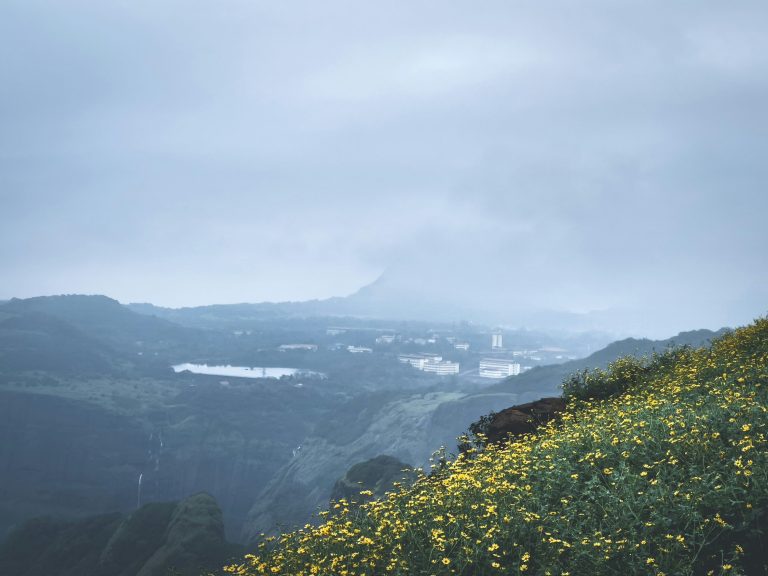
Malshej Ghat is one of the most accessible monsoon destinations in India, sitting just 130 km from Mumbai on the Mumbai-Nashik highway. During monsoon, this section of the Western Ghats transforms completely — dozens of temporary waterfalls cascade down the basalt cliffs, the surrounding plateau turns vivid green, and flocks of flamingos migrate here from the Rann of Kutch. It is an easy weekend drive from Mumbai and Pune, making it one of the most popular short monsoon getaways for Maharashtra residents.
Best months: July and August | How to reach: 2.5-hour drive from Mumbai via NH61
6. Dudhsagar Waterfalls, Goa
Dudhsagar — which translates as “sea of milk” — is India’s fifth tallest waterfall and one of its most dramatic. It drops 310 metres in four tiers across a forested hillside on the Goa-Karnataka border. For most of the year, Dudhsagar is a thin trickle. Between June and September, it becomes a thundering wall of white water that is one of the most powerful sights in peninsular India. Access is by jeep safari through the Bhagwan Mahavir Wildlife Sanctuary — book in advance as slots fill quickly.
Best months: July and August | How to reach: Jeep safari from Mollem, 60 km from Panaji
7. Udaipur, Rajasthan
Rajasthan is not an obvious monsoon destination, but Udaipur is a genuine exception. The city’s two lakes — Pichola and Fateh Sagar — which often run low in the dry months — fill completely during monsoon and reflect the surrounding Aravalli hills in still, grey water. The City Palace looks even more dramatic against heavy monsoon cloud cover than it does in clear light. Tourist numbers drop sharply in July and August, meaning some destinations can feel quieter outside peak travel periods, although prices and crowd levels vary by year and location.
Best months: August and September | Nearest airport: Maharana Pratap Airport, Udaipur
8. Wayanad, Kerala
Wayanad is one of Kerala’s most beautiful districts — dense forest, tea and coffee estates, wildlife reserves, and a significant tribal cultural heritage. In monsoon, the landscape reaches its most dramatic. The Chembra Peak trek, Edakkal Caves, and Soochipara and Meenmutty waterfalls are all significantly more rewarding visits when the vegetation is at full monsoon intensity.
Best months: July to September | Nearest airport: Calicut (95 km)
9. Spiti Valley, Himachal Pradesh
Spiti is counterintuitive as a monsoon destination precisely because it barely receives any. The Himalayas block most monsoon moisture before it reaches this high-altitude cold desert, meaning July and August are actually among the better travel months — roads are open, skies are clear, and the landscape’s stark beauty is fully accessible. While the rest of India shelters from rain, Spiti sits dry and spectacular under blue skies.
Best months: July and August | How to reach: Via Manali (200 km) or Shimla-Kinnaur route
10. Gokarna, Karnataka
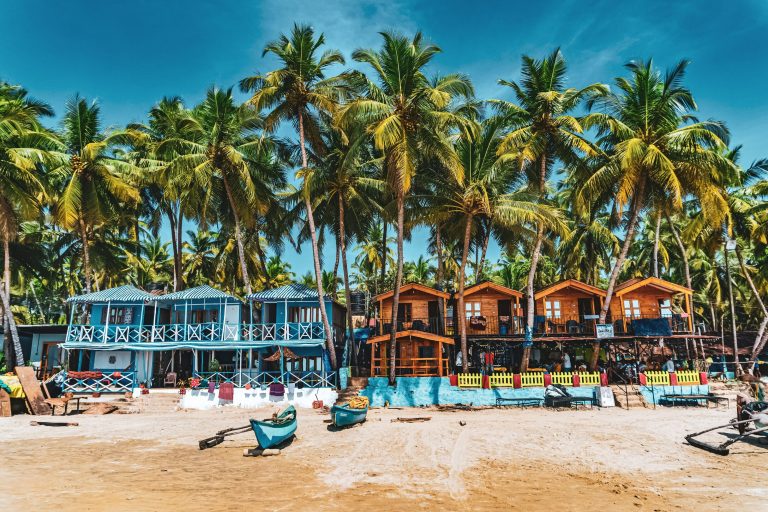
Gokarna is what Goa was twenty years ago — beautiful beaches, relaxed atmosphere, simple guesthouses, and very few tourists. In monsoon, it becomes quieter still. The beaches are dramatic and storm-swept, the cliff walks between Om Beach and Half Moon Beach are lush and green, and accommodation may be cheaper than peak-season dates, but current rates should be checked directly. If you want a peaceful monsoon beach experience without the infrastructure or prices of Goa, Gokarna delivers it completely.
Best months: September (post-peak monsoon — beaches are green, crowds are minimal) | Nearest airport: Goa (150 km) or Hubli (160 km)
Monsoon Travel Packing List
Before you go, pack these essentials regardless of your destination:
- Waterproof backpack cover or a dry bag for electronics
- Quick-dry clothing — synthetic fabrics only, avoid denim entirely
- A compact umbrella rather than a rain poncho (more versatile)
- Waterproof sandals or trekking shoes with good grip
- Insect repellent — mosquitoes are at their most active in monsoon
- Oral rehydration sachets — heat and humidity cause dehydration even in rain
- A light fleece or jacket — hill stations get cold in the evenings
The monsoon is not a season to sit out. It is a season to travel differently — to go where the waterfalls are full, the crowds are gone, and India looks like a completely different country. Pick one destination from this list and book it before the season ends.
SmartDesiLife.com | Travel guides for curious Indian explorers
Related reading on Smart Desi Life
Continue with these closely related guides:
- Best Hill Stations Near Mumbai for a Weekend Escape
- Hidden Gems in Rajasthan Beyond Jaipur and Jodhpur
Useful references
For additional background, official information or specialist guidance, these resources may be useful:
External resources are provided for reader reference. Guidance, prices, opening hours and other time-sensitive information can change, so check the linked source directly when making a decision.