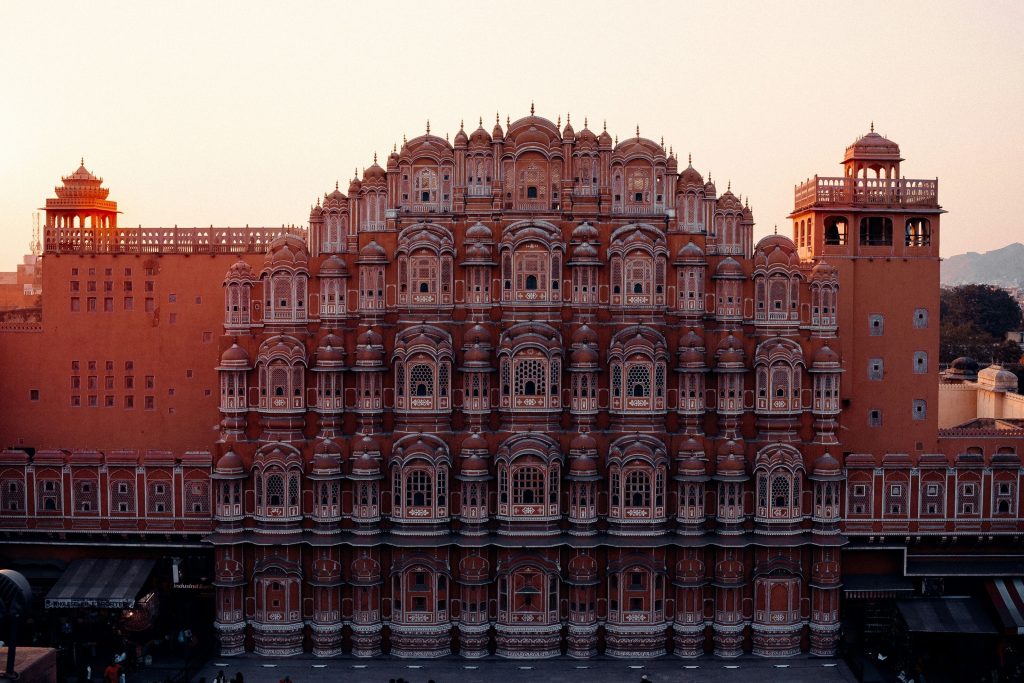
You have seen Jaipur’s Hawa Mahal on every Instagram grid. You have watched Jodhpur’s blue houses appear in more travel reels than you can count. Rajasthan’s famous cities are magnificent — but they are also crowded, expensive, and increasingly curated for foreign tourists rather than curious Indian travellers.
Beyond the best-known cities, Rajasthan has smaller towns and heritage areas that reward slower planning and a little more research. Here are six places that will make you fall in love with Rajasthan all over again.
1. Bundi — The Blue City Nobody Talks About
Everyone knows Jodhpur as the blue city. Almost nobody knows that Bundi, tucked in the Hadoti region of southeastern Rajasthan, has streets just as blue, a palace just as grand, and a fraction of the tourist crowd.
Bundi Palace sits dramatically against a rocky hill, with elaborate murals covering its walls — paintings so detailed and vivid that Rudyard Kipling reportedly used the palace as inspiration while writing Kim. The Taragarh Fort above offers views of the town’s stepped tanks (baolis) and winding lanes that are nothing short of cinematic.
What makes Bundi special: The town has barely commercialised. Local families still live in the painted havelis, and a walk through the old city feels like stepping into a living museum.
Best time to visit: October to February
How to reach: Kota is the nearest major railway station (35 km away). Direct buses from Jaipur take about 5 hours. No airport — which is precisely why Bundi stays quiet.
Where to stay: Compare current homestay and hotel prices for your dates; rates vary sharply by season and property type.
2. Shekhawati — The Open-Air Art Gallery of India
The Shekhawati region, spanning towns like Mandawa, Nawalgarh, Fatehpur, and Ramgarh, contains the densest collection of painted havelis in the world. In the 18th and 19th centuries, wealthy Marwari merchants commissioned artists to cover the walls and ceilings of their mansions with elaborate frescoes — mythological scenes, depictions of the British Raj, trains, and even early aeroplanes painted by artists who had never seen one.
Walking through Mandawa’s narrow lanes and discovering a haveli with ceilings painted like the Sistine Chapel — on a random Tuesday, with no entry ticket — is the kind of travel experience you describe to people for years.
What makes Shekhawati special: Hundreds of these havelis remain unlocked. You simply walk in, look around, and walk out. The scale and quality of art is genuinely world-class.
Best time to visit: November to February (summer here is brutally hot)
How to reach: Mandawa is 190 km from Jaipur — a 3.5-hour drive or direct bus. Nawalgarh has a small bus terminal with connections to Jaipur, Bikaner, and Delhi.
Where to stay: Compare current homestay and hotel prices for your dates; rates vary sharply by season and property type.
3. Osian — Rajasthan’s Desert Temple Town
Most travellers pass through or near Osian on their way to Jaisalmer without stopping. This small town, 65 km north of Jodhpur, contains a remarkable cluster of 8th–11th century Pratihara-era temples that predate many of Rajasthan’s more famous monuments.
The Sachiya Mata Temple here is a living temple visited by locals for centuries. The surrounding desert landscape, with its distinctive dunes and camel farms, is the real Thar experience without the tourist circus of Jaisalmer.
What makes Osian special: It combines archaeology, living religious culture, and desert scenery in one small, quiet town. Osian’s camel safari scene is also significantly more authentic and affordable than anything near Jaisalmer.
Best time to visit: October to March
How to reach: 65 km from Jodhpur by road. Plenty of private cabs and occasional buses. Day trips from Jodhpur work perfectly.
Tip: Hire a local guide from the village — they know which temple interiors are open and which carving details are worth studying closely.
4. Alwar — The Forgotten Kingdom at Delhi’s Doorstep
Alwar is Rajasthan’s closest district to Delhi (just 160 km) and yet remains one of its least visited. The city’s palace, Vinay Vilas Mahal, houses a museum with an extraordinary collection of weapons, manuscripts, royal palanquins, and miniature paintings — often with barely a dozen visitors on a weekday.
But the real reason to come to Alwar is the surrounding landscape. The Sariska Tiger Reserve sits within Alwar district, and unlike Ranthambore, safaris here are considerably easier to book and often more intimate. The medieval ruins of Bhangarh Fort — which has a somewhat overstated reputation as India’s most haunted location — make for a genuinely atmospheric half-day trip surrounded by Aravalli hills.
What makes Alwar special: It is the rare destination that suits a day trip from Delhi, a weekend escape, or even a week-long stay for wildlife enthusiasts.
Best time to visit: October to March (Sariska is closed June–September)
How to reach: Direct trains from Delhi Hazrat Nizamuddin take 2–2.5 hours. Road trip from Delhi on NH48 is easy and scenic.
5. Barmer — Raw, Unfiltered Desert Rajasthan
If Jaisalmer is Rajasthan dressed up for photographs, Barmer is Rajasthan as it actually lives. This remote district in southwestern Rajasthan is home to artisan communities whose embroidery, block printing, and wood carving have barely changed in centuries.
The town itself is not conventionally beautiful — it is dusty, functional, and real. But the surrounding villages are where Rajasthan’s craft heritage lives. Visiting a block-printing workshop in a Barmer village, watching a master craftsman create intricate patterns by hand, and buying directly from the maker (at a fraction of craft fair prices) is a travel experience that feels genuinely meaningful.
What makes Barmer special: Authentic craft experiences, minimal tourist infrastructure (meaning locals treat you like a guest, not a customer), and landscapes that look like a different planet.
Best time to visit: November to February
How to reach: Barmer has its own railway station with connections to Jodhpur and Jaisalmer. The journey from Jodhpur takes about 5 hours.
6. Chittorgarh — Rajasthan’s Most Emotional Destination
Chittorgarh is not unknown, but it is dramatically undervisited relative to its historical and emotional significance. The Chittorgarh Fort is the largest fort in India by area and the site of three legendary jauhars — mass sacrifices by Rajput women choosing death over surrender. The scale of the fort is staggering: it covers 700 acres across a plateau, contains seven gates, dozens of temples, towers, and palaces, and requires at least half a day to explore seriously.
Unlike Amber Fort in Jaipur, which has become almost an assembly line of tourist groups, Chittorgarh feels properly contemplative. The ruins of Rani Padmini’s palace, the towering Vijay Stambha (Tower of Victory), and the ancient Kalika Mata temple all carry a weight of history that is difficult to describe but impossible to ignore.
What makes Chittorgarh special: It is the site where Rajput history was made and lost. No Indian traveller should miss it.
Best time to visit: October to March
How to reach: Good train connectivity from Jaipur, Udaipur, and Mumbai. The nearest airport is Udaipur (115 km away).
Practical Tips for Exploring Hidden Rajasthan
Hire local guides, not agency guides. In smaller towns, local guides know the backstory of every lane and building. They also know which dhabas are worth eating at. Ask your hotel to recommend someone from the community.
Travel in November or February. October and December are peak season — even the quiet places get busier. November and February offer the same good weather with thinner crowds.
Take night trains between cities. Rajasthan’s rail network is excellent. Overnight trains save hotel costs and make good use of travel time.
Carry cash. Many smaller towns and villages operate entirely on cash. ATMs exist but are not always reliable.
Learn five words of Rajasthani. Khamma Ghani (a respectful greeting), Padharo (welcome), and Bahut sundar (very beautiful) will earn you the warmest smiles you have encountered anywhere in India.
Rajasthan’s famous cities are worth visiting — they became famous for a reason. But if you have already been, or if you simply want to experience India’s most dramatic state at a slower, more human pace, these six destinations offer something the postcards never captured: the Rajasthan that Rajasthanis actually love.
Before travelling, confirm current opening hours, transport options and local conditions with official sources because access can change seasonally.
SmartDesiLife | Travel guides for curious Indian explorers
Related reading on Smart Desi Life
Continue with these closely related guides:
- Monsoon Travel in India — 10 Places That Come Alive in Rain
- Why Slow Travel Is Replacing the Race to See Everything
Useful references
For additional background, official information or specialist guidance, these resources may be useful:
External resources are provided for reader reference. Guidance, prices, opening hours and other time-sensitive information can change, so check the linked source directly when making a decision.