LIFESTYLE / THE JOURNAL
10 Budget-Friendly Desi Home Decor Ideas Using Local Finds
Budget-friendly Indian home decor ideas built around a no-buy audit, room measurements, local materials and purchases that solve a real design problem.
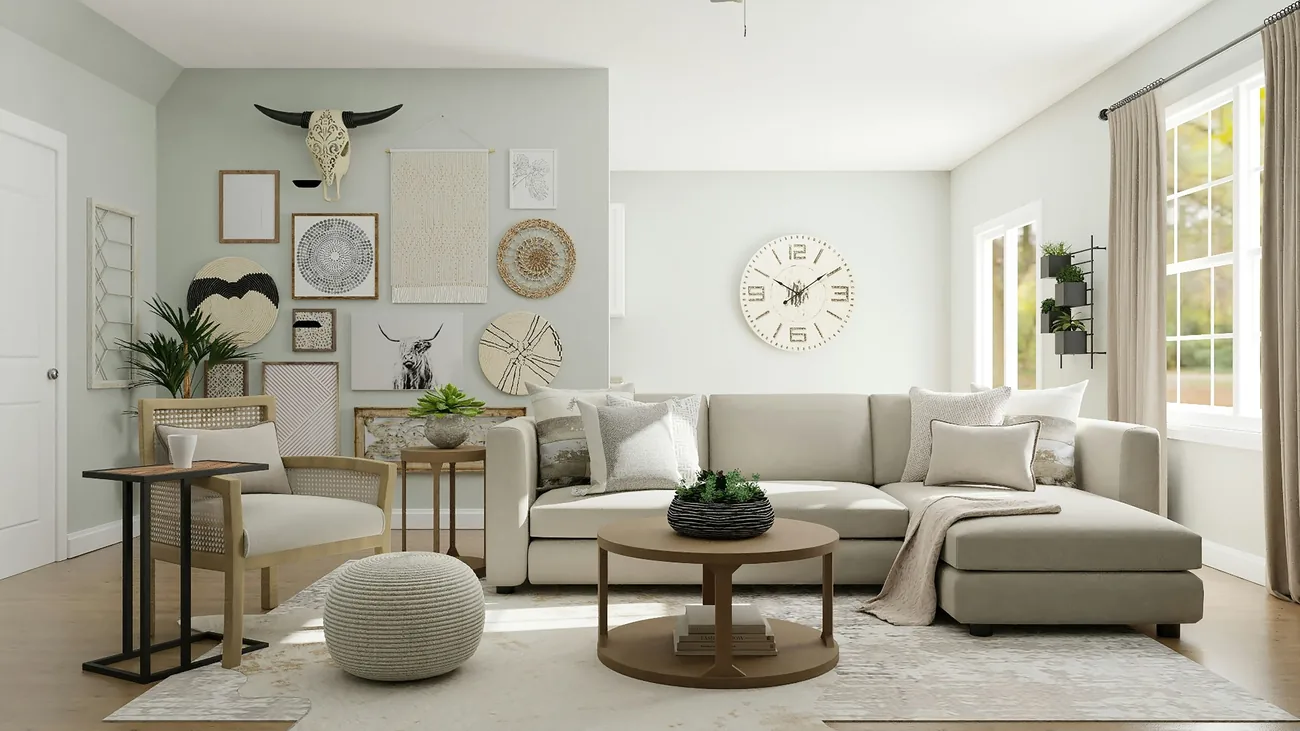
You don't always need new furniture, expensive wall art, or a shopping trip to make your home look better.
Sometimes all it takes is moving a plant to an empty corner, bringing out an old brass bowl, or using a colourful dupatta that's been sitting in your cupboard for years. Indian homes are full of things that can work beautifully as decorations. Clay pots, cotton fabrics, sarees, glass jars, diyas, and handmade items can add warmth without making a room feel overcrowded. The trick is to work with what you already have and spend money only where it makes a noticeable difference. If you want to refresh your bedroom, living room, balcony, or rented apartment on a small budget, here are ten home décor ideas worth trying. The prices below are approximate planning estimates, not verified shop prices. Actual costs vary by city, size, material, and seller. Several ideas can cost nothing if you reuse items from home.10 Affordable Home Decor Ideas at a Glance
| Home décor idea | Illustrative budget | Best place to use it |
|---|---|---|
| Terracotta pot arrangement | ₹150–₹350 | Balcony, windowsill, shelves |
| Family photos and Indian art gallery | ₹300–₹500 | Living room, hallway |
| Reused glass bottle vases | ₹0–₹150 | Dining table, shelves |
| Dupatta as wall décor | ₹0–₹400 | Bedroom, living room |
| Diya and decorative light corner | ₹100–₹250 | Side table, entrance |
| Traditional toran | ₹80–₹350 | Main door, windows |
| Old sarees as home textiles | ₹0 if reused | Sofa, table, walls |
| Reading corner with cushions | ₹300–₹500 | Bedroom, living room |
| Framed vintage artwork | ₹100–₹300 | Hallway, study |
| Brass and copper display | ₹0 if already owned | Shelves, console table |
1. Decorate With Terracotta Pots
<text color="secondary" weight="medium" size="sm">Estimated budget: ₹150–₹350</text> <AsyncImage query="Indian home decor arrangement of three terracotta plant pots different heights on balcony shelf money plant natural sunlight" aspectRatio="16:9" maxHeight={240}/> Terracotta pots are easy to find in Indian nurseries and plant shops, and their earthy colour looks good with many types of furniture. Instead of scattering several small pots around a room, try arranging two or three together. Choose different heights so the arrangement doesn't look too uniform. For example, you could keep one pot in its natural clay colour, paint another in a muted shade, and use the third for a trailing money plant. Place the group near a window, on a balcony ledge, or on a sturdy shelf. You don't need to paint every pot. The natural reddish-brown colour often looks lovely on its own. A practical tip: If you're using pots with drainage holes indoors, place suitable saucers underneath. Check that the surface can support the weight of the pots, soil, and water. For many homes, rearranging existing plants is enough to create a fresh look without buying anything.2. Make a Gallery Wall With Family Photos and Indian Art
<text color="secondary" weight="medium" size="sm">Estimated budget: ₹300–₹500</text> <AsyncImage query="small Indian apartment gallery wall family photographs mixed traditional Madhubani Warli art simple mismatched wooden frames tasteful home interior" aspectRatio="16:9" maxHeight={240}/> A blank wall can make a room feel unfinished, but you don't need an expensive painting to fill it. A small collection of family photographs and art prints can give the space more personality. Start with two or three photos that mean something to you. Add a print inspired by an Indian art tradition, such as Warli, Madhubani, Pichwai, or Kalamkari. Use frames you already own if possible. They don't have to match perfectly. Before attaching anything to the wall, arrange the frames on the floor to see how they look together. Leave a little space between each piece so the wall doesn't feel crowded. You might prefer a neat arrangement, or something slightly more relaxed. Both can work. For rented homes, use suitable removable hanging products where permitted, making sure they can support the weight of the frames. Remember: When purchasing digital artwork, check that the image is licensed for printing and personal use rather than copying artwork without permission.3. Turn Empty Glass Bottles Into Flower Vases
<text color="secondary" weight="medium" size="sm">Estimated budget: ₹0–₹150</text> <AsyncImage query="upcycled clear glass bottle flower vases one wrapped jute twine one plain on wooden dining table Indian marigolds minimalist homemade decor" aspectRatio="16:9" maxHeight={240}/> Before throwing away an empty glass bottle or food jar, consider whether it could be used as a vase. A narrow bottle can hold a single flower stem, while a wide glass jar can accommodate a small bunch of marigolds or other flowers. Wash the container thoroughly and remove any remaining labels. If you like a handmade finish, wrap a little jute thread around the outside and secure it with suitable craft glue. You could arrange three containers of different heights on a dining table or open shelf. One can remain plain, another can have a jute wrapping, and the third can hold fresh flowers. There's no need to make every bottle look identical. The combination of different shapes is part of the charm. Choose containers with stable bases and inspect them for chips or cracks. Keep painted finishes away from food-contact areas, and follow product instructions if using spray paint.4. Use an Old Dupatta as Wall Art
<text color="secondary" weight="medium" size="sm">Estimated budget: ₹0–₹400</text> <AsyncImage query="beautiful Indian block printed cotton dupatta hanging as textile wall art on wooden dowel above simple sofa natural home interior" aspectRatio="16:9" maxHeight={240}/> A printed dupatta can add colour to a plain wall without requiring a framed painting. This works especially well with cotton block prints, ajrakh-inspired patterns, phulkari embroidery, and other textiles that have interesting colours or details. Look through your cupboard before buying anything. You might already have a dupatta that you rarely wear but still love. One simple approach is to fold the top edge neatly over a wooden dowel and hang it from suitable wall hooks. You can also use lightweight fabric as a decorative window covering, provided it doesn't obstruct ventilation, exits, or necessary window access. Avoid placing hanging fabric near candles, cooking flames, heaters, or hot light fittings. A colourful textile works particularly well against a plain wall. It's also an easy way to change the look of a room without repainting.5. Create a Small Diya and Decorative Light Corner
<text color="secondary" weight="medium" size="sm">Estimated budget: ₹100–₹250</text> <AsyncImage query="Indian home festive decor terracotta diyas unlit and battery operated LED tea lights on ceramic tray warm cozy living room shelf minimal arrangement" aspectRatio="16:9" maxHeight={240}/> Diyas aren't only for Diwali. Even when unlit, traditional clay diyas can make attractive decorative objects. Arrange a few on a ceramic or metal tray. Mix plain terracotta with one or two painted pieces if you enjoy a little colour. You can add flowers or a small decorative object to complete the arrangement. For everyday use, battery-operated LED tea lights can provide a warm glow without an exposed flame. If you use real oil diyas or candles, place them on a stable, non-combustible surface away from curtains, flowers, paper, and other flammable objects. Never leave a flame unattended. You don't need a large display. A few thoughtfully arranged pieces on a side table can be enough.6. Add a Traditional Toran Above the Door
<text color="secondary" weight="medium" size="sm">Estimated budget: ₹80–₹350</text> <AsyncImage query="traditional colorful Rajasthani fabric toran door hanging mirrorwork tassels on simple Indian apartment entrance home decor" aspectRatio="16:9" maxHeight={240}/> A toran is a familiar decorative feature in many Indian homes. Traditionally placed above entrances, it can bring colour and character to an otherwise plain doorway. You can find different styles, including fabric torans with mirror work, embroidered pieces, beadwork, and tassels. If you're buying one, choose colours that work with your door and surrounding wall. A bright toran can look particularly nice against a neutral entrance. You can also reuse a toran from a festival rather than putting it away for the rest of the year. Some lightweight designs may work above a window or along a shelf, too. Make sure the hanging is securely attached and doesn't interfere with opening doors or using the entrance safely.7. Reuse Old Sarees as Home Textiles
<text color="secondary" weight="medium" size="sm">Estimated budget: ₹0 if you already own the fabric</text> <AsyncImage query="old Indian silk saree reused as decorative sofa throw rich indigo maroon border cushions warm Indian living room" aspectRatio="16:9" maxHeight={240}/> An old saree doesn't have to remain folded in a cupboard forever. If the fabric is still in good condition, it may find a new use around the house. A cotton saree can become a table runner or a lightweight decorative cover. A silk saree with an attractive border might look lovely folded across the back of a sofa. You could also display part of a saree as wall art, especially if the fabric has embroidery or a pattern that deserves to be seen. For a more permanent project, a tailor may be able to turn suitable fabric into cushion covers. This idea can also have personal meaning. Perhaps you have a saree that belonged to a family member or reminds you of a special occasion. Displaying it can help preserve that memory. For delicate or valuable sarees, avoid cutting or gluing the fabric. Protect it from prolonged direct sunlight, moisture, and unnecessary wear.8. Make a Reading Corner With Floor Cushions
<text color="secondary" weight="medium" size="sm">Estimated budget: ₹300–₹500 if suitable items are already available</text> <AsyncImage query="cozy small Indian apartment reading nook floor cushions mustard and indigo warm LED fairy lights bookshelf cup chai in corner" aspectRatio="16:9" maxHeight={240}/> You don't need a separate room or a large armchair to make a comfortable reading space. Sometimes an unused corner of the bedroom or living room is enough. Start with one or two cushions you already have. Add a small rug or folded mat if the floor is uncomfortable. If there's a nearby window, use the natural light during the day. For evenings, position a suitable reading lamp where the light falls comfortably on your book. You can use decorative LED lights for atmosphere, but they shouldn't replace proper task lighting. A small stool or side table can hold a cup of chai and the book you're reading. If you buy fairy lights, use certified products in good condition and keep them away from fabrics that could trap heat. Follow the manufacturer's electrical safety instructions. The most important thing is comfort, not how the corner looks in photographs.9. Frame Old Calendar Art and Vintage Prints
<text color="secondary" weight="medium" size="sm">Estimated budget: ₹100–₹300</text> <AsyncImage query="vintage Indian Raja Ravi Varma inspired calendar art framed on wall with simple wooden frames traditional Indian home study" aspectRatio="16:9" maxHeight={240}/> Old calendars sometimes contain beautiful illustrations that deserve a second look. You may find reproductions of Indian paintings, old travel imagery, traditional motifs, or artwork with interesting typography. If the paper is in good condition, choose one or two images and place them in simple frames. You can also look for original vintage postcards or properly licensed prints. A small group of related pictures can work nicely above a writing desk, in a hallway, or beside a bookshelf. You don't have to frame an entire collection. Sometimes two thoughtfully chosen pictures look better than a large wall filled with unrelated images. If you're using old family photographs or delicate paper artwork, protect them from direct sunlight and moisture.10. Display Brass and Copper Items You Already Own
<text color="secondary" weight="medium" size="sm">Estimated budget: ₹0 if reused</text> <AsyncImage query="traditional Indian brass bowls copper vessels small brass lota displayed decoratively on wooden open shelf modern Indian home warm natural lighting" aspectRatio="16:9" maxHeight={240}/> Before buying new decorative pieces, take a look at the less frequently used shelves in your kitchen. You may already have a brass bowl, copper vessel, or traditional serving item that could look beautiful on display. These pieces often have warm colours and distinctive shapes. A brass bowl on a console table or a pair of copper vessels on a shelf can add a traditional touch to a modern room. You don't need to display everything together. Choose one or two pieces and give them enough space to stand out. Clean them using a method appropriate for the metal and its finish. Avoid abrasive or acidic cleaning methods on valuable, coated, lacquered, or antique objects unless you're sure they're suitable. And don't worry if an older piece has developed some patina. Sometimes the signs of age are part of what makes it interesting.How to Decorate a Room Without Buying Anything
Before visiting a market, try looking at your room from a different angle. Take photographs from a few corners. Notice what feels unfinished. Is one wall too empty? Does a corner need better lighting? Are decorative objects spread around so widely that none of them stands out? You might discover that the room doesn't need new things at all.| What feels wrong | Try this first |
|---|---|
| Room looks plain | Move an existing plant, textile, or framed picture |
| Too many small objects | Group related items and clear some surfaces |
| Dark corner | Reposition a lamp or improve useful lighting |
| Empty wall | Arrange photographs or hang an existing textile |
| Furniture feels mismatched | Repeat a colour or material already in the room |
| Shelf feels cluttered | Remove unused objects and rearrange what remains |
How to Stay Within a ₹500 Home Decor Budget
The ₹500 figure is a useful spending limit, not a guarantee that every idea will cost that amount. Materials, sizes, and shop prices vary. A well-made toran may cost more than a basic one. Frames can also become expensive if you need several. To keep spending sensible, decide what your room actually needs before shopping. For example, you might have ₹500 available but only need ₹150 worth of materials to improve one corner. There's no reason to spend the remaining amount. If nothing needs buying, saving the full ₹500 is also a reasonable result.Measure Before You Buy
A small decorative item is only useful if it fits the space. Before visiting a shop or ordering online, measure the place where you plan to put it. For wall art, check the available width and height. For cushion covers, note the dimensions of the cushions you already own. For a table runner, measure the table. For baskets and storage boxes, check the shelf opening. A ₹300 purchase that doesn't fit can become unnecessary clutter.Where to Find Affordable Home Decor in India
Local markets, craft fairs, nurseries, and second-hand shops can be useful starting points. The best place depends on what you're looking for. Some well-known shopping areas include:| City | Markets worth exploring |
|---|---|
| Delhi | Dilli Haat, Janpath, Lajpat Nagar |
| Mumbai | Colaba Causeway, Dadar market areas |
| Bengaluru | Chickpet, Commercial Street |
| Jaipur | Bapu Bazaar, Johari Bazaar and nearby craft shops |
Common Budget Decorating Mistakes
Buying Too Many Small Decorations
Several inexpensive objects can quickly add up to a larger bill. They may also make a small room feel crowded. Try completing one corner before moving to another.Copying a Design That Doesn't Suit Your Space
A large gallery wall might look attractive online but feel overwhelming in a narrow room. Adapt the idea to the actual size and layout of your home.Ignoring Everyday Use
A decoration shouldn't make it difficult to open a cupboard, sit comfortably, or clean a surface. A useful room is more important than a perfectly styled photograph.Choosing Looks Over Safety
Loose wires, unstable pots, poorly attached frames, and candles placed close to fabric can create unnecessary risks. Make sure decorative arrangements are safe for everyday use, especially in homes with children or pets.Replacing Things That Still Work
You don't need new matching containers, frames, or fabrics if the items you already have are in good condition. Use what you own before shopping.Frequently Asked Questions
How can I decorate my home for under ₹500?
Start with one small area rather than trying to change the entire room. Reusing glass jars, arranging terracotta pots, framing photographs, or displaying an existing textile can all be affordable approaches.What is the cheapest way to decorate a living room?
Rearranging furniture and existing decorative items costs nothing. You can also try using family photographs, an old saree, or a plant you already own.How can I decorate a rented apartment without damaging the walls?
Use freestanding objects, shelf displays, and lightweight textiles. For hanging items, choose removable products suited to the wall surface and weight of the object, where your rental agreement permits them.What traditional Indian items work well as home decor?
Terracotta pots, torans, brass utensils, copper vessels, handwoven textiles, and regional art prints can add character to a room.Can I reuse old sarees for decoration?
Yes. Suitable sarees can be folded over a sofa, displayed as wall art, or made into cushion covers. Take extra care with delicate or sentimental fabrics.Is expensive home decor always better?
No. Price alone doesn't determine whether an item looks good in a room. Size, placement, colour, usefulness, and personal meaning often matter more.Final Thoughts
A home doesn't need to look like a furniture showroom to feel welcoming. Some of the nicest details may already be there: an old copper vessel, a colourful dupatta, a photograph you've kept for years, or a plant that simply needs a better place to sit. Start by looking around your home before buying anything. Move a few objects, clear one crowded surface, and try giving an overlooked corner a purpose. If you still need something, set a small budget and buy only what fits the space. Good home décor doesn't have to happen all at once. Sometimes one small change is enough to make a familiar room feel new again.Related Articles
- Sustainable Living Swaps Every Indian Household Can Start This Week
- Work-From-Home Setup Ideas for Small Indian Apartments
- How to Organize a Small Indian Kitchen Without Buying More Storage
Useful References
- Development Commissioner (Handicrafts), Ministry of Textiles, Government of India
- United Nations Environment Programme – Sustainable Lifestyles
— END OF STORY —
Have a factual correction or suggestion? Get in touch.