TRAVEL / THE JOURNAL
Slow Travel: Why More Travellers Are Choosing Fewer Stops
A practical guide to planning slower trips with fewer hotel changes, more flexible time and realistic trade-offs.
You finally get five days off and plan a holiday. Before you know it, your itinerary includes three cities, several hotel bookings, a long list of attractions, and barely enough time to enjoy any of them.
By the end of the trip, you've seen plenty of places, but a surprising amount of your holiday has been spent packing bags, checking out of hotels, waiting for transport, and figuring out where to eat next.
This is where slow travel offers a different approach.
Instead of trying to visit as many destinations as possible, slow travel encourages you to spend more time in fewer places. You might stay in one town for several nights, explore nearby areas at your own pace, or simply return to a café you enjoyed the previous morning.
The idea isn't to avoid sightseeing or turn every holiday into a long stay. It's about making room for experiences that can get lost in a packed schedule.
Slow travel doesn't automatically make a holiday cheaper or better. But for the right kind of trip, it can make travelling feel considerably less rushed.
Neither approach is automatically superior.
A fast-paced trip may be worthwhile when you're visiting a distant region you might not get the chance to return to.
Slow travel may be more satisfying when you want a break from a demanding daily routine.
The best choice depends on your priorities.
The schedule is intentionally simple.
You can add activities based on your interests, but avoid filling every available hour before you arrive.
The benefit of staying in one place is that you can change the order of activities without worrying about moving to another hotel.
What Is Slow Travel?
Slow travel is a way of exploring a destination without constantly moving from one place to another. There's no fixed rule about how many nights you must stay or how many attractions you're allowed to visit. For example, you might spend four nights in one Rajasthan town rather than moving between several cities. Or you could book accommodation in one coastal village and explore nearby beaches and markets over a few days. The idea is to experience a place beyond its most famous attractions. That might mean walking through the same neighbourhood on different evenings, eating at a local restaurant more than once, or allowing an afternoon to unfold without a detailed plan. You can still visit popular landmarks, take day trips, and use whatever transport makes sense. The difference is that you're giving yourself enough time to enjoy the journey rather than constantly preparing for the next stop.Why Visiting Fewer Places Can Make a Holiday Easier
Changing destinations takes more time than the actual journey between them. Every hotel change involves several smaller tasks. You need to pack, check out, arrange transport, reach the next destination, find your accommodation, and settle in again. Even a relatively short transfer can consume a large part of the day. When you reduce the number of hotel changes, you often gain more usable holiday time. You also spend less energy managing bookings and learning how to navigate a new location every day. This doesn't mean travelling between cities is always a bad idea. Sometimes the journey itself is part of the experience. But it's worth asking whether each additional stop genuinely adds something meaningful to the holiday.1. Choose One Good Base Instead of Several Hotels
One of the easiest ways to try slow travel is to stay in one place and explore the surrounding area. A well-chosen base allows you to visit nearby attractions without repeatedly packing and moving. For example, you could choose:- A heritage town with markets, historical sites, and nearby villages.
- A hill station with walking routes, viewpoints, and local cafés.
- A coastal town with beaches and small settlements nearby.
- A city with different neighbourhoods worth exploring over several days.
2. Leave Some Time Completely Unplanned
A holiday doesn't have to be scheduled from breakfast until dinner. When every hour has an assigned activity, even a small delay can create pressure. A late breakfast, unexpected rain, or a longer-than-expected museum visit can throw off the entire schedule. Try leaving at least part of each day open. You might plan one important activity in the morning and leave the afternoon flexible. That extra time gives you options. You can explore a neighbourhood, rest at your hotel, follow a recommendation from a local resident, or spend longer somewhere you particularly enjoyed. Sometimes the most memorable part of a trip is something you hadn't planned before leaving home.3. Don't Try to Complete Every Must-See List
Before visiting a new destination, it's natural to search for its most popular attractions. Within minutes, you might have a list of twenty places that supposedly shouldn't be missed. The problem is that trying to visit everything can make the trip feel like a race. Instead, choose three or four experiences that genuinely interest you. Perhaps you enjoy architecture, local food, nature walks, or historical places. Build the trip around those interests rather than trying to copy someone else's itinerary. Once you arrive, you can ask accommodation staff, local transport providers, or reputable guides about current conditions and practical options. Being flexible doesn't mean travelling without preparation. It means knowing the essentials without deciding every detail in advance.4. Stay Somewhere Convenient for Everyday Activities
Accommodation location can make a bigger difference than expected. A hotel may look affordable, but if you need a long taxi ride every time you want food or public transport, the savings may disappear. When comparing places to stay, look beyond the room price. Check whether you can conveniently reach:- Restaurants and everyday food options.
- Public transport connections.
- Local markets and walking areas.
- The attractions you genuinely want to visit.
- Basic services you may need during your stay.
5. Visit the Same Place More Than Once
When you're travelling, it can feel as though returning to the same café or market is wasting an opportunity. But repetition can be one of the enjoyable parts of a slower holiday. You might discover a small breakfast shop on your first morning and decide to return the next day. Perhaps you find a quiet walking route that looks completely different in the evening. Or you visit a local market twice and notice details you missed the first time. These experiences may not appear on a typical sightseeing checklist. But they can help you become more familiar with a destination rather than feeling like you're constantly passing through it.Slow Travel vs Fast Travel: What's the Difference?
Both styles have their advantages.| Factor | Slow Travel | Fast-Paced Travel |
|---|---|---|
| Destinations | Usually fewer places | Several places in one trip |
| Hotel changes | Limited | More frequent |
| Daily schedule | Flexible with open time | More structured |
| Sightseeing | Selected experiences | Broader attraction coverage |
| Travel time | Often fewer long transfers | More time between destinations |
| Best suited for | Relaxation, local exploration, longer stays | Limited opportunities, highlights-focused trips |
| Main trade-off | You may see fewer locations | You may spend more time travelling and packing |
How to Plan a Five-Day Slow Travel Itinerary
You don't need several weeks of holiday leave to try slow travel. Even a five-day trip can feel more relaxed when you reduce the number of transfers. Here's a simple example.| Day | Suggested plan |
|---|---|
| Day 1 | Arrive, settle into your accommodation, and explore the nearby area |
| Day 2 | Visit one major attraction and enjoy local food or markets |
| Day 3 | Take an optional day trip to a nearby town or nature spot |
| Day 4 | Keep the day flexible for walking, relaxing, or revisiting a favourite place |
| Day 5 | Have a relaxed breakfast, pack, and begin the return journey |
Slow Travel in India: Where Does It Work Well?
India offers plenty of opportunities for slower journeys. You don't necessarily need to choose an isolated destination. Even busy cities can be explored slowly when you focus on a smaller area.Heritage Towns in Rajasthan
Rajasthan is often associated with itineraries covering Jaipur, Jodhpur, Udaipur, and Jaisalmer in a single trip. While visiting several cities can be rewarding, trying to fit all four into a short holiday may leave little time for exploration. An alternative is to choose one or two places. Stay longer, visit historical attractions at a comfortable pace, and leave time for local markets, neighbourhood walks, and nearby excursions. The right approach depends on how much time you have and how likely you are to return.Hill Stations and Mountain Towns
A hill station can be a good base for a slower holiday. You might spend one day exploring viewpoints, another visiting a nearby village, and a third simply enjoying the surroundings. Weather matters in mountain regions. A flexible schedule can be useful when rain or poor visibility disrupts outdoor activities.Coastal Destinations
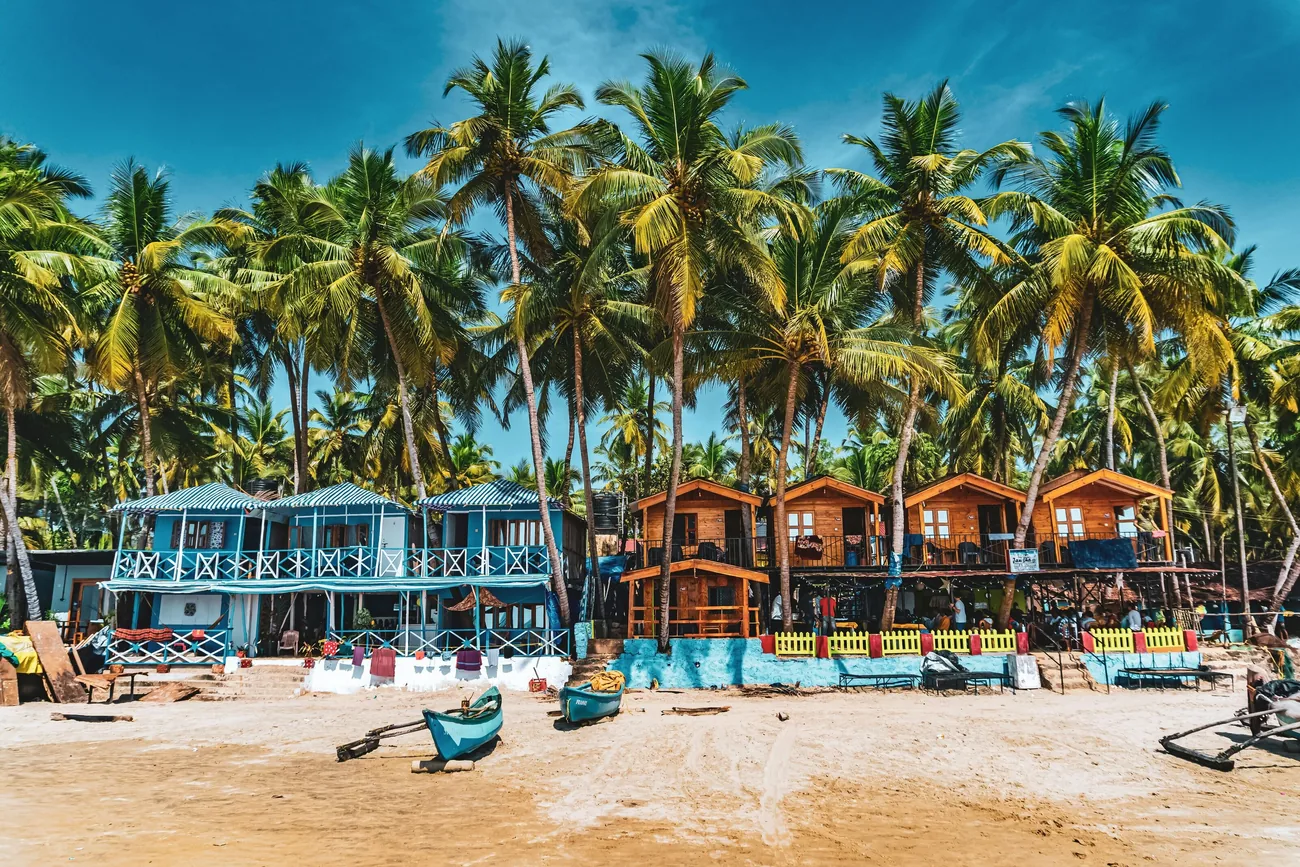
Coastal towns can also work well for slow travel. Instead of moving between several beaches and hotels, you might stay in one area and explore nearby villages, cafés, and coastal paths. This gives you time to enjoy the destination without spending every day arranging transport.Large Cities
Slow travel isn't limited to quiet towns. In a large city, you can choose one neighbourhood as your base and spend several days exploring different parts of the city. Local markets, public spaces, food streets, museums, and everyday neighbourhood life can become part of the experience. You don't need to visit every major attraction to enjoy a city.Can Slow Travel Save Money?
Sometimes it can, but not always. Reducing the number of long-distance transfers may lower transport expenses. You might also find accommodation that offers better rates for longer stays. Staying in one neighbourhood can reduce repeated taxi journeys, particularly if food and local attractions are within walking distance. However, slow travel isn't automatically a budget strategy. If you extend a four-day holiday into ten days, your total accommodation and food expenses may increase. A remote hotel might also require more local transport than a centrally located one. When comparing itineraries, consider the total cost of accommodation, transport, food, and activities rather than assuming fewer destinations always means spending less.Slow Travel With Family and Older Travellers
Frequent hotel changes can be tiring when you're travelling with children, older relatives, or several pieces of luggage. A longer stay in one place can reduce the amount of packing and moving required. It also gives everyone more flexibility. For example, you could plan one important activity in the morning and leave the afternoon free for rest. If someone feels tired or the weather changes, you don't have to force the schedule. However, fewer hotel changes don't automatically make a destination accessible. Before booking, check stairs, walking distances, room access, local transport, and medical facilities when these are important to your group. A slower itinerary should make the trip more manageable, not introduce different practical difficulties.Is a Workcation the Same as Slow Travel?
Not necessarily. You might spend two weeks in a hill town while working full-time, but that doesn't mean you'll have much time to explore it. If your working hours occupy most of the day, the destination may become little more than a different place to use your laptop. A workcation can still include elements of slow travel, especially if you have free evenings, weekends, or flexible hours. But it's important to be realistic. Before booking, check internet connectivity, work requirements, power reliability, and whether the location supports your daily routine. Don't assume that a longer stay automatically produces a more relaxed holiday.Why Flexible Travel Plans Help During the Monsoon
Rain can make a destination beautiful, but it can also disrupt travel plans. Mountain roads, coastal activities, viewpoints, and trekking routes may be affected by changing weather conditions. A tightly packed itinerary can become difficult when one delayed journey affects every subsequent booking. Staying longer in one area gives you more flexibility. If an outdoor activity isn't suitable on Tuesday, you may be able to move it to Wednesday. That doesn't mean you should ignore weather warnings or continue with unsafe plans. Check official forecasts and local restrictions before planning road journeys, trekking, or water-based activities. When conditions are unsafe, change or postpone the activity rather than trying to preserve the original itinerary.Pack Light for a Longer Stay
Staying in one place for several days doesn't mean you need to carry more luggage. In fact, a slower trip can make light packing easier. If your accommodation has laundry facilities, you may be able to wash and reuse clothing during the stay. Choose versatile items that suit several activities rather than packing a separate outfit for every location. Less luggage makes airport transfers, railway journeys, and walking to accommodation more convenient. It also makes unpacking and repacking considerably easier.When Slow Travel Might Not Be the Best Choice
Slow travel is useful, but it doesn't suit every holiday. Suppose you're visiting a distant country for the first time and may not have another opportunity to return. You might reasonably prefer to visit several major locations. A similar situation can arise when travelling for a special event, visiting relatives in different cities, or working with limited annual leave. Sometimes moving between destinations is part of the experience itself. The important question is whether those additional stops add enough value to justify the time and effort. If they do, a faster itinerary may be the right choice. You don't need to follow a travel philosophy at the expense of what you genuinely want from the journey.What to Check Before Booking a Longer Stay
Before deciding to spend several nights in one location, make sure it suits your needs. Check the following:- Accommodation location: Is it convenient for the activities you want to enjoy?
- Transport: Can you easily reach nearby areas without spending too much time travelling?
- Weather: Are local conditions suitable during your travel dates?
- Food options: Will you have enough everyday eating choices nearby?
- Mobile and internet connectivity: Are they adequate for your needs?
- Medical access: Are essential facilities reasonably accessible?
- Variety of experiences: Is there enough to interest you during a longer stay?
- Cancellation terms: Can you adjust plans if circumstances change?
Common Slow Travel Mistakes to Avoid
Staying Longer Without Knowing What You'll Do
A longer stay doesn't automatically make a trip enjoyable. Choose a location that offers enough activities, scenery, or opportunities to relax according to your interests.Booking Accommodation Too Far Away
A quiet property can be attractive, but long daily transfers may undermine the slower pace you're trying to create. Check the actual location carefully.Planning Every Hour Anyway
Staying five nights in one town won't feel particularly relaxed if every day is packed with activities from morning until evening. Leave genuine free time.Assuming Slow Travel Must Be Cheap
Longer stays and convenient accommodation can sometimes increase costs. Set a realistic budget rather than expecting automatic savings.Feeling Guilty About Visiting Popular Attractions
You can still visit famous landmarks and enjoy guided tours. Slow travel is about pacing, not avoiding places simply because other tourists visit them.A Simple Slow Travel Planning Checklist
Before your next trip, try this approach:-
Choose one region rather than automatically including several distant destinations.
-
Consider staying in one main base for at least three nights, if your schedule allows.
-
Select three experiences that matter most to you.
-
Leave at least half a day unplanned.
-
Add day trips only after checking actual travel times.
-
Choose accommodation with convenient access to everyday needs.
-
Allow sufficient time before your return journey.
-
Review local weather, transport, and accessibility conditions.
Final Thoughts
Slow travel isn't about visiting fewer places simply for the sake of it. It's about giving yourself time to enjoy where you are. Instead of spending a five-day holiday moving between several hotels, you might discover that staying longer in one town gives you more opportunities to explore, rest, and enjoy ordinary experiences. You can return to a restaurant you liked, spend another evening walking through a neighbourhood, or change your plans when the weather doesn't cooperate. Not every trip needs to be slow, and not every destination deserves a longer stay. But the next time you're planning a holiday, ask yourself one question: Would another destination make this trip better, or would another day in the same place be more enjoyable? Sometimes the best part of travelling is having enough time to stop rushing.Related Reading
- Hidden Gems in Rajasthan Beyond Jaipur and Jodhpur
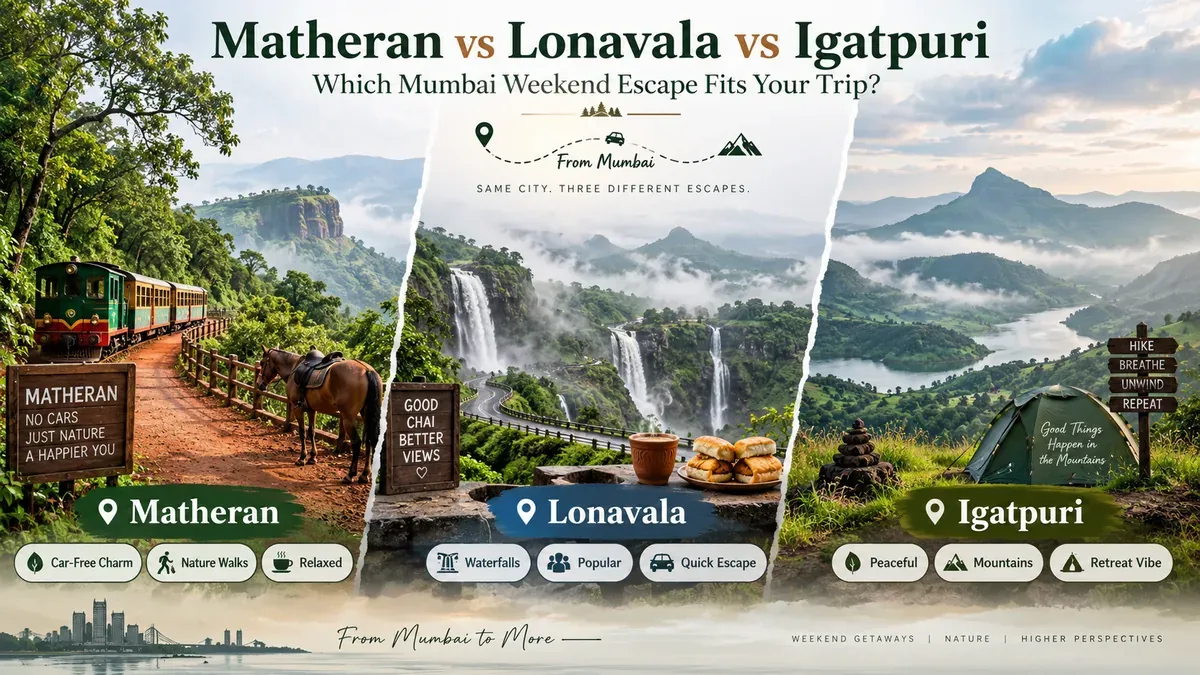
- Matheran vs Lonavala vs Igatpuri: Choosing a Weekend Trip
- Monsoon Travel in India: Preparation and Safety Tips
Useful References
- UN Tourism – Sustainable Development and Tourism
- Ministry of Tourism, Government of India – Official Tourism Information
— END OF STORY —
Have a factual correction or suggestion? Get in touch.